Reviewed by: Dr. Robert Menardi, DVM
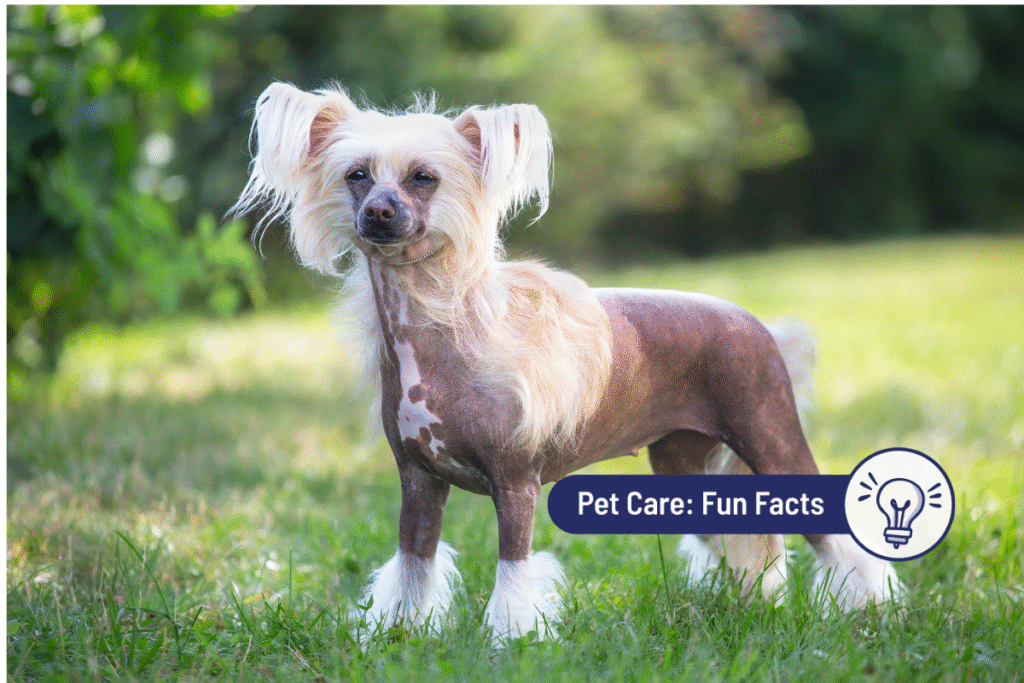
Hairless dog breeds are some of the most eye-catching pups you’ll ever meet. Their smooth or lightly coated skin, expressive faces, and distinctive personalities draw attention wherever they go. But beyond looks, these breeds have histories and traits that make them fascinating companions. Some are ancient, with roots tracing back thousands of years, while others have developed through more recent breeding programs.
While “hairless” might sound low maintenance, these breeds come with their own unique care needs. Without a full coat, they rely on their humans for help with temperature regulation and skin protection. They can thrive in a variety of homes, including apartments and rural spaces, as long as their physical and emotional needs are met.
Types of Hairless Dogs
The term “hairless dog breeds” covers a small but fascinating group. Some are naturally hairless due to genetics, while others have both hairless and coated varieties. Although they share the same lack of a traditional coat, each breed has its own history, personality, and unique quirks.
Chinese Crested
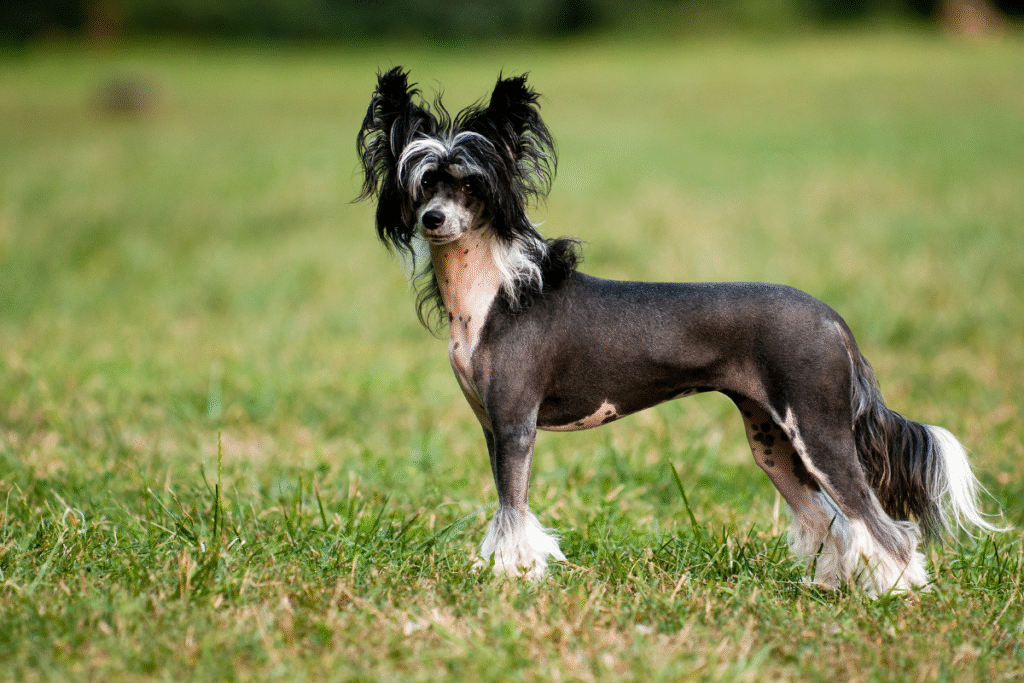
Known for its unmistakable “hairless with flair” look, the Chinese Crested features silky tufts of hair on the head, tail, and feet paired with smooth, often spotted skin. This breed also comes in a fully coated version called the powderpuff.
Cresteds are lively and affectionate, and thrive on being close to their people. They’re often described as clownish in the best way, bringing joy and laughter to the home. Their small size and adaptable nature make them great companions for both apartments and larger homes, though they appreciate gentle handling and positive training.
Xoloitzcuintli (Mexican Hairless Dog)

According to the American Kennel Club, the Xoloitzcuintli is one of the world’s oldest and rarest breeds. Based on depictions on Mayan calendars, they have been part of Mexican culture for over 3,000 years. Revered by the Aztecs, Toltecs, and Maya, the Xolo was often considered a spiritual companion and is still a national treasure in Mexico today.
Xolos come in three sizes, toy, miniature, and standard, and in both hairless and coated varieties, offering options for different households. Their temperament is calm, and they’re intelligent and deeply loyal, often forming a close bond with one or two family members. Xolos can be watchful around strangers, which makes them excellent natural watchdogs, but they are affectionate and gentle with the people they trust.
Their smooth skin comes in a variety of colors, including black, slate, bronze, and spotted patterns, and their low-maintenance grooming routine is balanced by the need for seasonal skin care, like sun protection in summer and warmth in cooler months.
Peruvian Inca Orchid
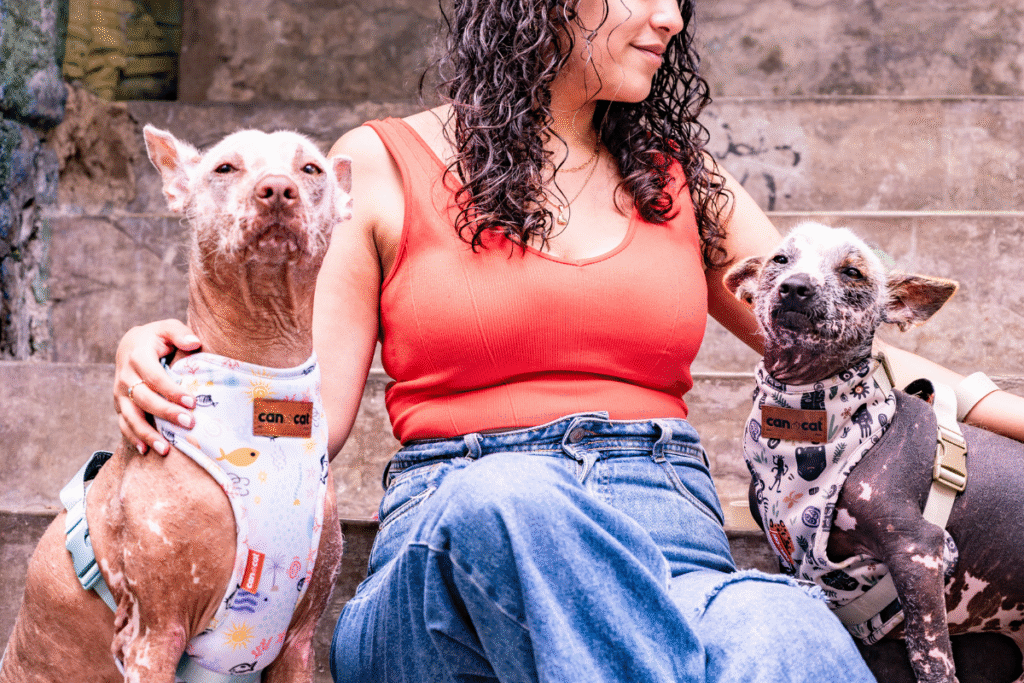
Elegant and athletic, the Peruvian Inca Orchid is a sighthound-type breed known for its graceful build and affectionate nature with family. They come in three sizes and in both hairless and coated varieties. The hairless type can have smooth skin in solid or spotted colors, sometimes with a small crest of hair on the head.
These dogs are intelligent and sensitive, but they can be reserved with strangers, making early socialization important. Their athleticism means they enjoy regular exercise, and their natural elegance is matched by a gentle disposition indoors.
American Hairless Terrier
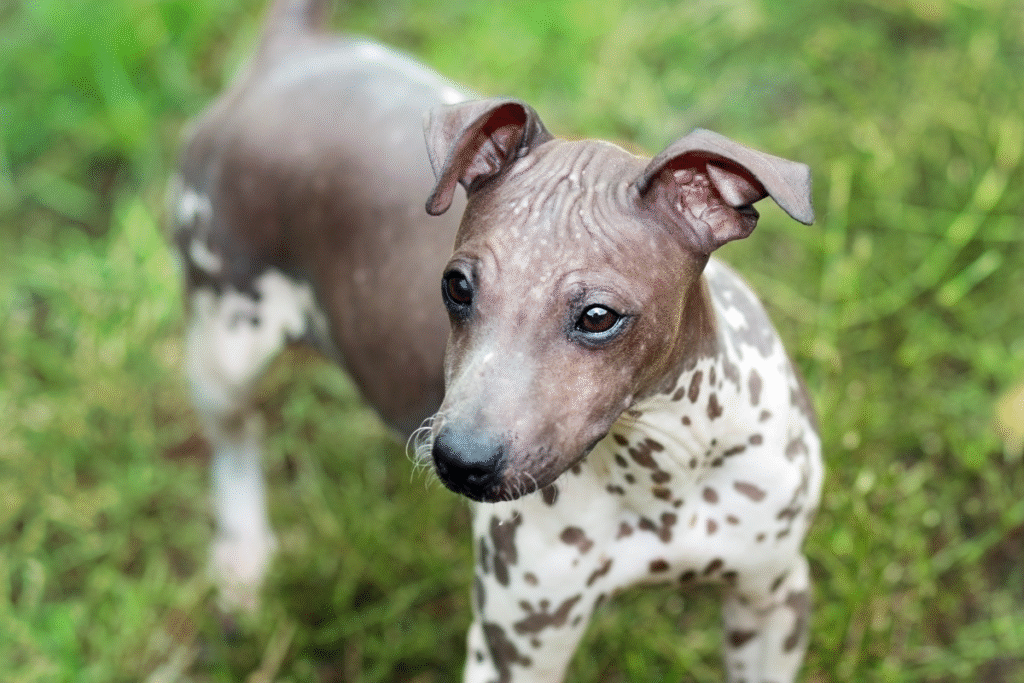
As the only hairless breed native to the United States, the American Hairless Terrier combines the energy and curiosity of a terrier with the unique look of a hairless dog. They’re intelligent and playful, and thrive in active households where they can get plenty of mental and physical exercise.
Unlike some other hairless breeds, the American Hairless Terrier often has a more rugged, “let’s go” personality and enjoys a variety of activities, such as agility training and hiking. Their skin can range from pink to dark tones, often with distinctive spotting.
Abyssinian Sand Terrier
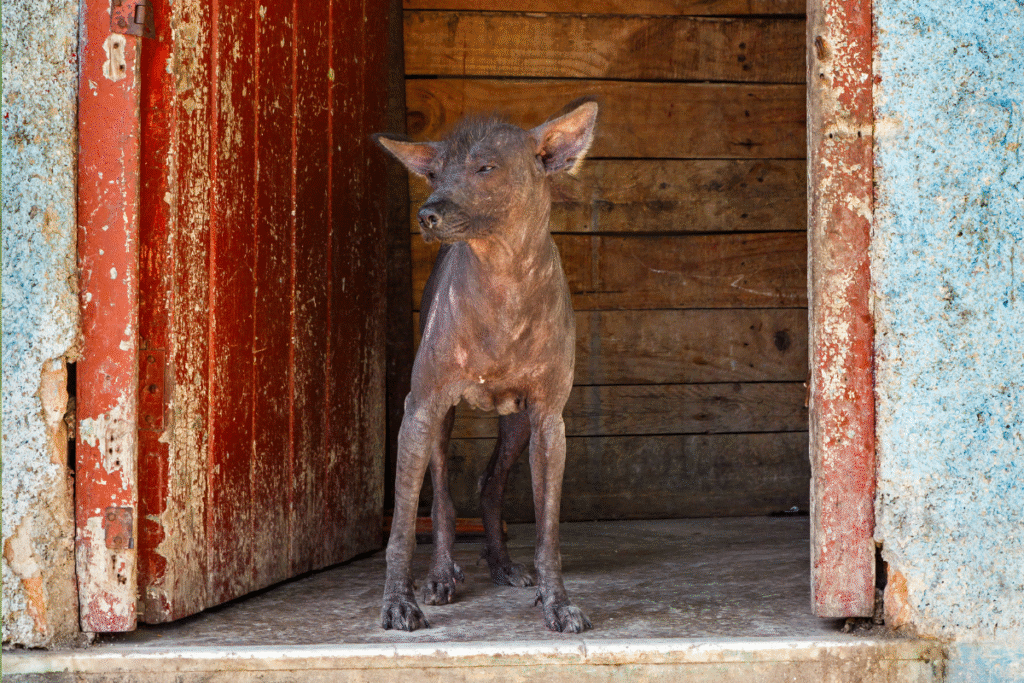
The Abyssinian Sand Terrier, also called the African Hairless Dog, is a rare breed believed to originate in Ethiopia. These medium-sized dogs have smooth skin that can come in shades of gray, bronze, or sand, often with mottled markings. Known for being alert and intelligent, they make loyal companions and tend to form strong bonds with their families. Their rarity means they’re seldom seen outside Africa, but they remain a fascinating part of hairless dog history.
Argentine Pila Dog
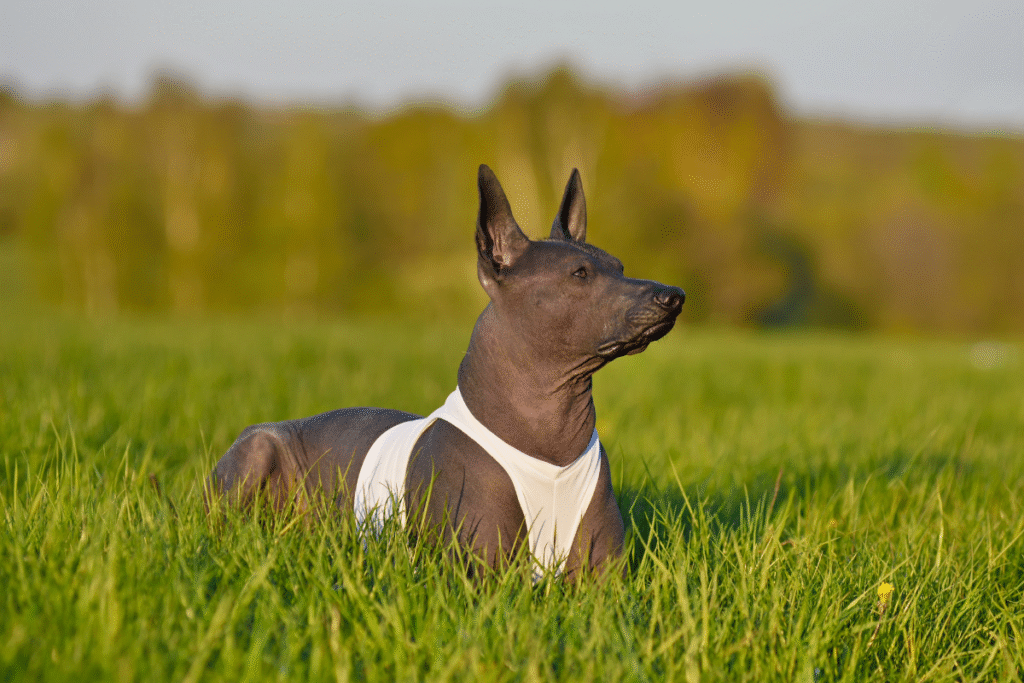
The Argentine Pila Dog is rare outside its homeland. They are prized for their affectionate, adaptable nature and silky-feeling skin. They come in small, medium, and large sizes, making them suitable for a range of households. Playful yet easygoing, Pilas bond closely with their families and enjoy both active play and relaxed downtime. Their rarity means finding one often involves working directly with breeders in Argentina, and owning one can be a special experience for those seeking a truly uncommon companion.
Hairless Khala
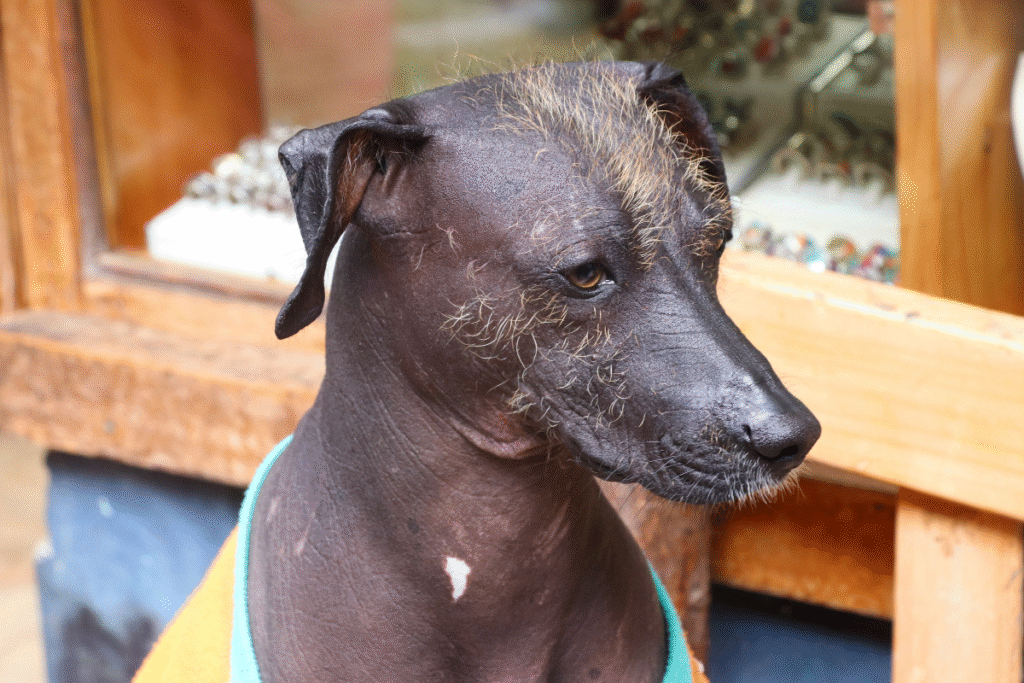
Also called the Bolivian Hairless Dog, the Hairless Khala has a distinctive, somewhat scruffier look compared to other hairless breeds. Found in two varieties, the Medio (medium) and the Grande (larger, more slender), these dogs are loyal and protective, often forming a deep attachment to their family. Their history in South America runs deep, and they’re still relatively rare outside their home region.
Ecuadorian Hairless Dog
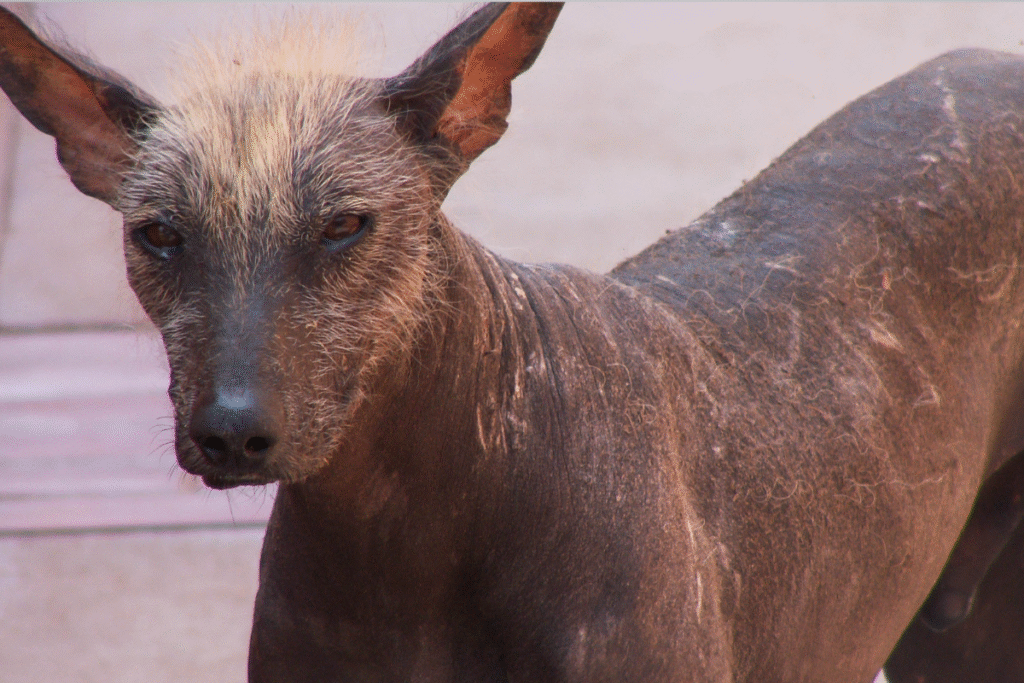
Considered one of the rarest hairless breeds, the Ecuadorian Hairless Dog is believed to be closely related to the Peruvian Inca Orchid. They’re small to medium-sized, agile, and have a lively personality. While they’re affectionate with their people, they can be cautious with new faces. Their rarity means they’re largely unknown outside Ecuador, adding to their mystique.
While all of these breeds share the lack of a traditional coat, their needs, temperaments, and activity levels vary.
A playful Chinese Crested will have very different energy demands than the calm and steady Xoloitzcuintli, so understanding each breed’s personality is essential before bringing one home.
Grooming and Skin Care for Hairless Dogs
Caring for a hairless dog is a little different from looking after a coated breed. Without fur to act as a barrier, their skin is more exposed to the elements, which means they can be more sensitive to sunlight, cold temperatures, and even the occasional scrape or scratch. Instead of spending time brushing out tangles, pet parents often swap that routine for one focused on skin health.
Sun protection is especially important for lighter-skinned dogs or those who spend a lot of time outdoors. Your veterinarian can recommend pet-safe sunscreen, and planning walks for early morning or late evening can also help limit sun exposure. Moisturizing is another key part of the routine, as it helps prevent dryness and flakiness. Using products approved by your vet will ensure you’re keeping your pup’s skin hydrated without causing irritation.
Bathing a hairless dog can be simpler than dealing with a long coat, but it still needs to be done thoughtfully. A gentle, dog-safe cleanser will help remove dirt and oil buildup without stripping natural oils. Over-bathing can dry out their skin, so it’s best to follow a schedule. Seasonal clothing can also be a big help: a cozy sweater or fleece to keep your dog warm in the winter, and a lightweight shirt during sunny months for a bit of extra coverage.
And just like any other dog, hairless breeds need regular nail trimming, dental care, and ear cleaning. Keeping up with these basics will keep them comfortable and help maintain overall health, so they look and feel their best year-round.
Special Considerations for Living with a Hairless Dog
Living with a hairless dog means being mindful of their unique needs in day-to-day life. Since they don’t have the natural protection of a coat, you’ll need to think ahead about their environment. In warm weather, limit time on hot pavement and provide shaded areas outdoors to help prevent overheating. In cooler months, keep sleeping areas away from drafts and make sure they have cozy bedding to curl up in.
Their exposed skin is more vulnerable to environmental factors, so regular checks for dryness, irritation, or minor scrapes are important. Even changes in household products, like floor cleaners or laundry detergent on their bedding, can sometimes cause skin reactions, so choosing gentle, pet-safe options can help.
Hairless breeds also benefit from a predictable routine, both for physical exercise and mental stimulation. Some have moderate activity needs and are happy with short walks and indoor play, while others thrive with agility work, puzzle toys, or training sessions that challenge their problem-solving skills.
Some pet parents choose to support their dog’s overall well-being with supplements. For example, CBD chews for Dogs may help support healthy skin, promote relaxation, and overall comfort during seasonal changes. As always, consult your veterinarian before introducing any new supplement.
Are Hairless Dogs Hypoallergenic?
Many people wonder if hairless dog breeds are hypoallergenic. While less shedding can mean fewer allergens in the environment, no dog is completely free of allergens. Dander (tiny skin flakes) and saliva proteins are the main triggers for most people with dog allergies. Hairless dogs may reduce allergen buildup in a home simply because there’s less fur to trap dander, but reactions can still occur.
If you’re considering a hairless breed for allergy reasons, spend time with one to see how you respond before bringing them home.
Choosing the Right Hairless Dog Breed for You
If you’re drawn to the unique look of a hairless dog, it’s important to consider more than appearance alone when choosing your new pup. Think about activity level, temperament, and the amount of hands-on care you’re ready to provide.
Research each breed’s history and typical traits, and, if possible, connect with breed clubs or rescues to meet dogs in person. This will give you a clearer picture of how they might fit into your life.
Final Thoughts on Hairless Dog Breeds
Hairless dog breeds are striking in appearance and rich in personality. They often form deep bonds with their people, enjoy being part of daily life, and adapt well to a variety of living situations when their needs are met. From their ancient roots to their modern charm, these unique breeds offer companionship that’s as distinctive as their look.
If you’re considering adding one to your family, be ready to provide a little extra care for their skin, comfort, and social needs. In return, you’ll have a loyal friend who turns heads wherever you go.
Any health or medical information in ElleVet blogs is from a variety of public and reputable sources. This information is intended as an educational resource only and is not a substitute for expert professional care.