
Reviewed by: Dr. Robert Menardi, DVM
With the summer months upon us, we may want to bask in the summer sun. As dog parents, we know nothing sounds better than enjoying the weather with our canine companions.
It certainly is possible, but before you and your dog hit the streets, it is necessary to take precautions to ensure that the hot asphalt pavement is not damaging your dog’s paws. Understanding how to prevent and manage burns on your companions’ critical appendages is imperative to protect your dog.
We may not be able to interpret adjustments to heat or the pain our furry friends are in, so we must educate ourselves on the potential dangers of bringing our dogs in the summer heat. Once we do so, we can enjoy the refreshing ease of the summer season with our happy, healthy dogs.
What Is the Anatomy of Dog Paws?
Your dog’s paws serve many critical functions. Like human feet, they are made for walking, running, stretching, and “zooming” around. Additionally, your dog’s appendages also help them to regulate temperature, as sweat glands and fat tissue layers work to maintain canine homeostasis.
Their regulatory function makes it all the more important to protect your dog’s paw pads from the damage they are vulnerable to during the sweltering summer heat. The sensitive and vital paw pads can toughen with use, like a callous on a human hand, but even the toughest paw may not withstand pavement temperature.
How Hot Is the Pavement Really?
The outside air temperature is not the same as the pavement temperature. Enjoying a summer stroll with your canine companion may seem harmless; however, asphalt temperatures can be up to 60 degrees hotter than the air temperature.
For perspective, hot asphalt can fry an egg in five minutes. Air temperature and various parameters like surface material, cloud cover, wind, daytime, and humidity influence pavement temperatures.
As a general rule, asphalt temperatures vary with air temperature, as shown below:
| Air Temperature: | Asphalt Temperature: |
| 77℉ | 125℉ |
| 86℉ | 135℉ |
| 90℉ | 140℉ |
It’s also worth noting that darker surfaces, like black asphalt, absorb and hold more heat than lighter surfaces such as concrete. Pavement in full sun can reach dangerously high temperatures even in the late morning, long before the peak heat of the day. Sand, brick, and even artificial turf can heat up almost as quickly as asphalt, making them uncomfortable and sometimes painful for a dog’s sensitive paws.
How Fast Can Dogs Burn Their Paws on Asphalt?
It only takes 60 seconds on 125℉ pavement for a dog’s pads to burn. This means the pavement could be potentially dangerous when the air temperature is only 77℉.
An excellent way to test if the pavement is safe for your dog is the “seven-second rule:” Place the back of your hand on the pavement. If you cannot hold it there for at least seven seconds, the surface is too warm for your dog!
Recognizing paw burns can be tricky since dogs don’t always show discomfort right away. Many dogs will keep walking just to stay by your side, even if the ground is hurting them. On hot days, it’s best to assume pavement temperatures are higher than you think and check often.
It’s important to remember that asphalt and concrete absorb heat and hold it for hours, which means the ground can still be dangerously hot on cloudy afternoons or warm summer evenings. Choosing grassy areas or shaded paths for walks can help keep your dog’s paws safe.
What Are Six Ways To Prevent Pad Burn?
Walk Your Dog When It Is Cool
Try to walk your dog early in the morning (before 10 a.m.) or later at night (after 7 p.m.) when the pavement may be cooler. Avoid walking your dog in the afternoon or early evening when it’s hot outside. Walking at cooler times not only protects your dog’s paws but also reduces your dog’s risk of heat exhaustion, which can be even more dangerous than pad burns.
Stay on the Grass
While many surfaces can conduct and retain heat, it is essential to minimize contact with asphalt, concrete, stones, sand, and hot surfaces. Grassy areas and dirt trails stay much cooler than paved sidewalks, making them a safer choice for longer walks or playtime during the summer months.
Check Their Paws Frequently
Check the pavement first using the seven-second rule with the back of your hand to make sure it isn’t too hot before you head out. After walks, inspect your dog’s paws for blisters, cuts, cracks, sores, or any foreign objects that could cause irritation. Regular paw checks help you catch early signs of discomfort or dryness before they develop into more serious injuries.
Use Paw Wax
Special wax can be applied to a dog’s paw pads before walking and dries in seconds to provide a protective barrier. To use it, gently clean and dry your dog’s paws first, then rub a thin, even layer of wax directly onto each pad. Give it a moment to absorb before heading outside so it has time to create a light coating. Paw wax doesn’t replace the need to avoid extreme heat, but it can add an extra layer of protection and help keep the pads moisturized, making them less prone to cracking or irritation.
Dog Shoes
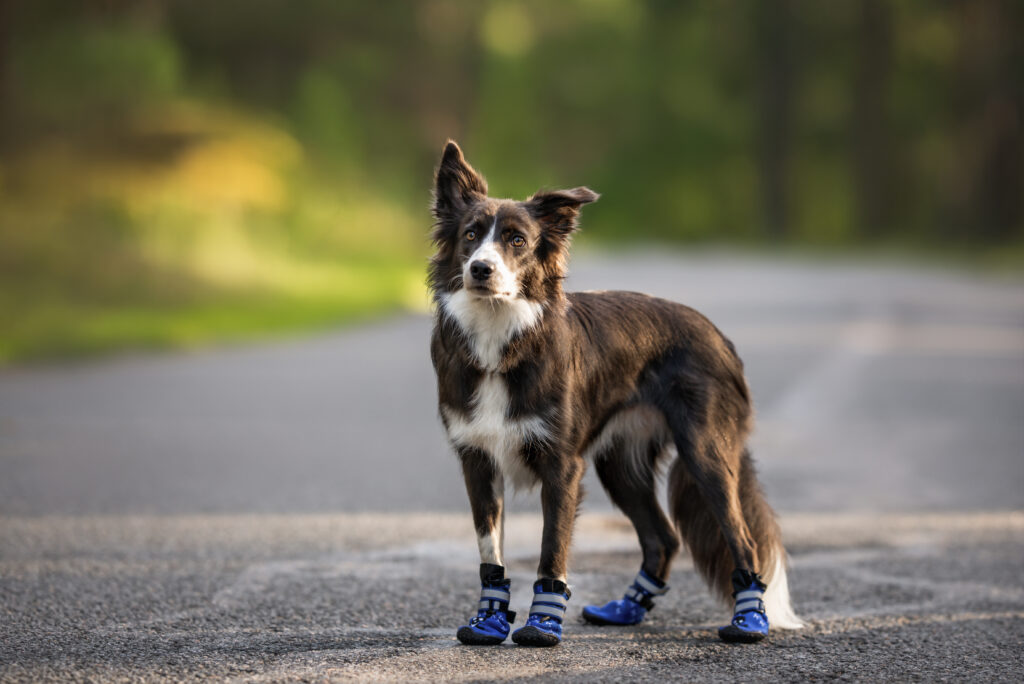
Your dog may be initially averse to wearing booties; however, they can be a solution for extreme weather conditions and are sure to protect your dog from hot pavement.
It is crucial to get the right size and shoes with rubber or neoprene soles, as they are most protective against damaging surfaces. These boots, however, should not be worn for great lengths of time, as the sweat glands in your dog’s paws allow body temperature regulation.
To help your dog get used to booties, let them wear them for short periods indoors first and reward them with praise or a small treat. Gradually increasing the time they have them on can make walks outside more comfortable and less stressful for your pup
The Best Prevention for Overheating
On warm, uncomfortable days, even the toughest of paw pads are vulnerable to the searing heat of the asphalt, and on these days, keep your pets inside as much as possible. Indoor play, like short training sessions, puzzle feeders, or gentle tug-of-war, can help your dog burn off energy without risking heat-related paw injuries.
Is My Dog Suffering from Pad Burn?
Sometimes pad burns are obvious, but other times the signs are easy to miss, especially if your dog tries to push through the discomfort. Pay close attention to how they’re acting after a walk on a warm day. Your dog may be suffering from pad burn if they are experiencing any of the following signs:
- Refusing to walk or limping
- Darker than usual or discolored pads
- Excessive licking or biting of feet
- Visible blisters or extreme redness
- Inflammation of the paw
- Missing part of pads
If you notice any of these signs, you should examine your dog’s paws more closely. If your dog suddenly stops during a walk or lifts their paws like they are unsure where to step, the ground may already be hurting them. Subtle changes such as pads looking darker, rougher, or slightly swollen can be early signs of heat damage. More obvious signs like blisters, raw spots, or missing areas of the pad usually mean the burn is more severe and may require a vet’s care.
If you spot any of these symptoms, move your dog to a cool, shaded area right away and avoid any further contact with hot surfaces. Quick action can help prevent the injury from getting worse and make healing much easier.
How Should You Treat Pad Burn?
If your dog has paw pad burns, talk to your vet. Your veterinarian can determine the severity of the burns and an appropriate action plan for treatment, which will likely include antibiotics and bandaging the paws, given the high risk of infection.
While waiting for veterinary care or if the burn is mild, there are a few things you can do at home to help your dog feel more comfortable. Gently flush their paws with cool water for 10 to 15 minutes to soothe the heat and rinse away any debris. Avoid using ice or very cold water, as it can cause additional discomfort and damage sensitive tissues. After cooling, let your dog rest. This can be tricky since paw pads are essential for movement, but keeping them off their feet as much as possible is important to prevent further injury.
You can also gently clean the pads with a mild, pet-safe antibacterial soap and water to lower the risk of infection. Afterward, keep your dog indoors on soft surfaces and away from rough or hot terrain while their paws heal. Monitor your dog closely for signs of pain or worsening symptoms, such as swelling, redness, or ongoing limping. Consult your vet if you see any new or worsening signs.

What Are Preventive Measures Against Hot Surface Burns for Dogs?
To prevent paw pad burns, pet parents must be proactive, especially in hot weather. Dog booties can be an effective defense against hot surfaces, providing a barrier between sensitive paws and the hot pavement. However, they can also cause sores or overheating, so ensure you are checking your dog’s paws throughout your walk and not leaving them on for long periods.
When choosing dog shoes, ensure they fit well and are made of breathable material to allow natural temperature regulation. For those dogs resistant to booties, paw wax is an alternative that can be applied directly to the foot pads, offering a protective layer without affecting the dog’s natural gait.
Summertime activities should also include swims or playtime in shaded grassy areas to avoid heat exhaustion. Ensuring your dog has access to cool water throughout the day is vital. After each walk, a preventive routine of washing your pet’s paws with cool water can help soothe and prevent heat-related discomfort.
Monitoring the air temperature and opting for early morning or late evening walks when the ground is cooler will protect your dog from the risks of hot asphalt. By taking these measures, dog owners can help ensure the health and happiness of their pets during the summer heat.
How Can You Do First Aid for Burned Dog Paws?
When a dog suffers from burned paw pads, immediate first aid can make a significant difference in their recovery. Cooling the burned paws gently with cool water can provide initial relief. Applying a topical, pet-safe antibiotic ointment for minor burns can prevent infection and aid in healing.
However, it’s critical to seek professional veterinary care to evaluate the severity and receive appropriate treatment, which may include bandaging and prescription medication.
Continuous monitoring for signs of pain, like limping or excessive licking, is necessary for pet parents. In the event of more severe burns, a veterinarian may prescribe pain medication and recommend rest, restricting the injured paw from bearing weight to prevent further damage.
Moisturizing creams designed for a dog’s pads can also support the healing process. For ongoing care, pet owners should consider paw protection as part of their dog’s wellness routine, especially in anticipation of the hot summer months, to avoid the distress of burned dog paws and ensure their pet can enjoy the season with minimal risks.
Protecting Your Dog’s Paws from Hot Pavement
Hot asphalt and other hot surfaces during the summer can cause severe burns to a dog’s paw pads, resulting in a condition often overlooked by pet owners. When the air temperature rises, so does the temperature of pavement and sidewalks, making dog walks potentially hazardous.
The sensitivity of a dog’s pads can vary, but the risk of injury is significant on a hot day. If a dog is limping or refusing to walk, it could indicate the severity of the burn. For pet parents, it’s crucial to assess the dog’s feet after walks, looking for signs such as blisters or darkened pads that suggest the need for veterinary care.
In cases of suspected paw pad burns, it’s advisable to flush the injured paw with cool water and apply a moisturizing, antibacterial agent to prevent infection. A visit to a DVM (Doctor of Veterinary Medicine) is necessary to properly determine the burn’s severity and prescribe pain medication or topical treatments like antibiotic ointment to promote healing.
Preventative measures such as using paw wax or dog booties and planning walks during the early morning or late evening can help maintain your furry friend’s paw wellness in the summertime.
Sources:
Paws Can Help Dogs Regulate Their Temperature | The Wolf Center
How hot does pavement get in summer? | UGA Cooperative
First Aid for Torn or Injured Foot Pads in Dogs | VCA Animal Hospitals
Any health or medical information in ElleVet blogs is from a variety of public and reputable sources. This information is intended as an educational resource only and is not a substitute for expert professional care.