Reviewed by: Dr. Robert Menardi, DVM
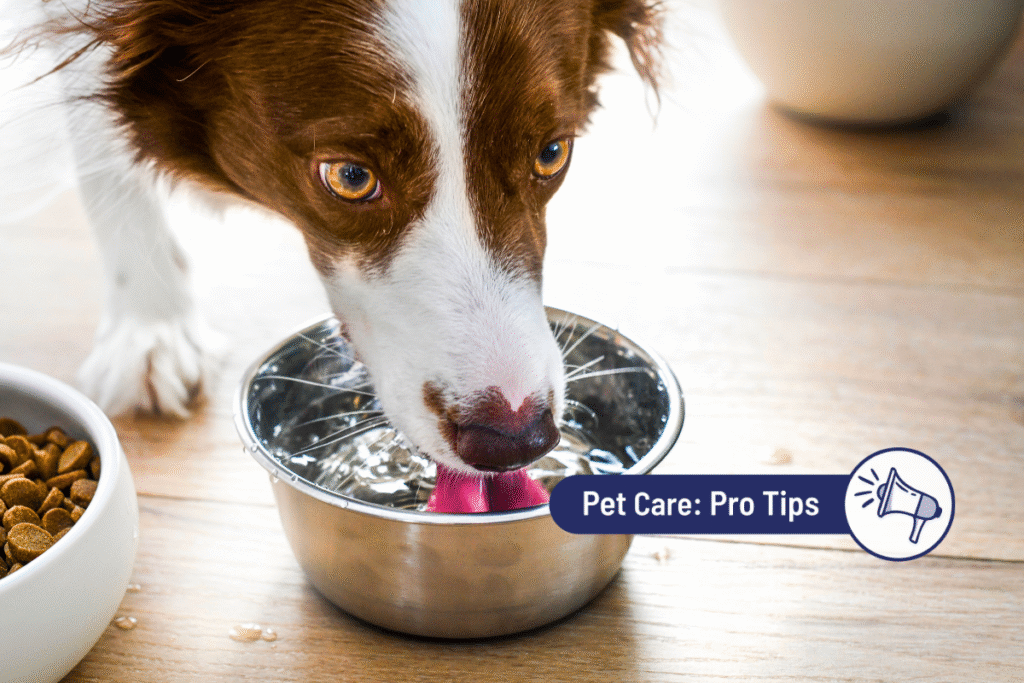
Your dog is drinking water like usual, but their food bowl hasn’t been touched. You call them over, offer a treat, maybe even try to tempt them with something off your plate. Nothing. It’s easy to worry. If you’ve been wondering, “Why is my dog not eating but drinking water?” you’re not alone. It’s a question vets hear often, and it doesn’t always have a single answer.
A change in appetite is often one of the first signs that something isn’t quite right with your dog’s health. Sometimes it’s just stress, a minor stomach upset, or boredom with their food. Other times, it can point to something more serious, especially if it comes with other changes in behavior or energy.
So what does it mean when your dog is drinking but not eating? And how do you know when it’s time to take action? Let’s walk through some common causes, what signs to watch for, and how you can help your dog feel better.
Is It Normal for Dogs to Skip a Meal?
Not every missed meal is cause for panic. Just like people, dogs can have an “off” day now and then. Maybe they’re tired after a big day at the park. Maybe they’re adjusting to a change in routine or new food. Some dogs, especially picky eaters, might occasionally skip a meal and return to eating normally later.
That said, if your dog skips more than one meal, shows other signs of discomfort, or this is new behavior for them, it’s worth taking heed. A persistent loss of appetite can be an early indicator of an underlying issue that may require attention.
What Causes a Dog to Drink Water But Not Eat?
When a dog drinks water but refuses food, it can be linked to a wide range of underlying causes. The key is to consider what else is happening with your dog. Are they acting normally otherwise? Has anything changed in their routine, diet, or environment?
Dogs are creatures of habit, and even small shifts in their surroundings can affect how they eat. While occasional pickiness or stress-related appetite loss isn’t uncommon, persistent refusal to eat, especially when paired with continued drinking, may be your dog’s way of signaling discomfort or a more complex issue.
Here are a few possible explanations:
Stress: Dogs who are experiencing stress may avoid eating but continue to drink. Travel, boarding, guests in the house, or even thunderstorms can throw off their appetite.
Digestive upset: Nausea, gas, or minor tummy trouble can make food less appealing. If your dog is drinking water but refusing food, something mild like this could be the reason.
Dental discomfort: Toothaches, gum issues, or anything that makes chewing uncomfortable can result in your dog avoiding food while still drinking.
Medication side effects: Some medications can reduce appetite temporarily. If your dog recently started something new, check with your vet.
Age-related changes: Senior dogs may have shifting appetites, and some age-related changes can affect how food smells or tastes.
Underlying health issues: Appetite loss can be a sign of many different internal issues. Even if your dog seems fine otherwise, a sudden change in eating habits should be taken seriously.
Some of these causes can resolve on their own, especially if your dog returns to eating within a day and shows no other symptoms. Others may require your vet’s insight to get to the bottom of what’s going on.
If you’re unsure whether it’s something minor or more concerning, this article on how to stimulate appetite in dogs can help you get a sense of what’s normal, what’s not, and when to take action.
What If My Dog Is Also Acting Lethargic?
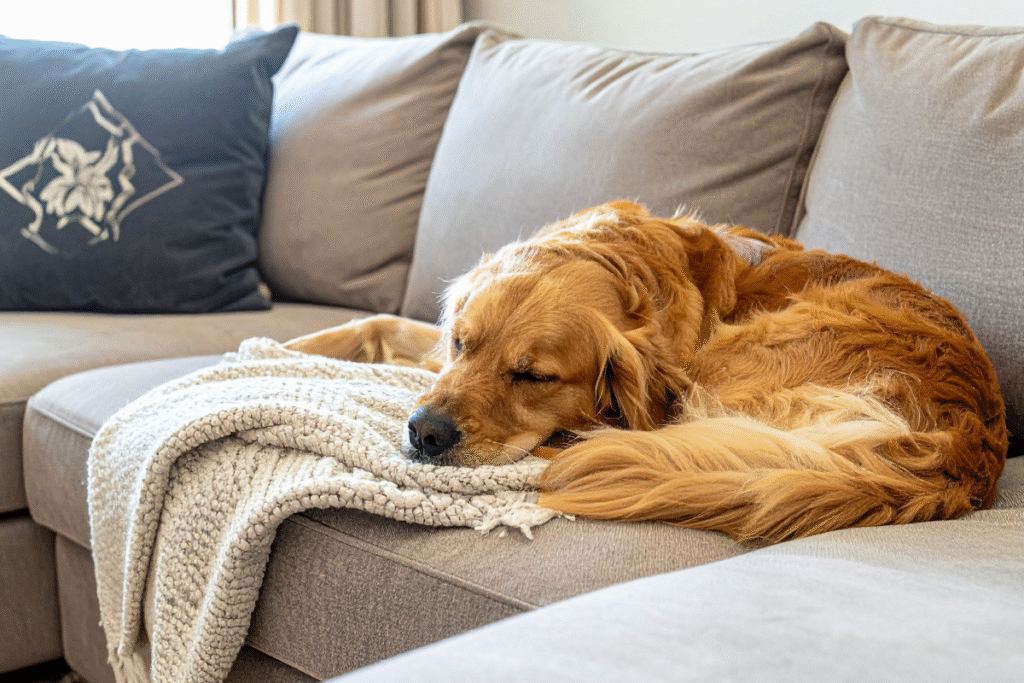
If your dog is not eating and seems low on energy, withdrawn, or slow to respond, it’s a stronger indication that something may be amiss internally. Lethargy combined with appetite loss could point to discomfort, emotional distress, or illness. According to veterinarians at East Valley Emergency Vet Clinic, conditions like liver disease, diabetes, and heart issues can cause dogs to sleep more and eat less. Infections can also play a role, with some illnesses beginning with fatigue and loss of appetite. If these symptoms appear together or come on suddenly, it’s best to contact your vet.
Additionally, stressors like environmental changes or emotional upheavals can contribute to these symptoms. It’s essential to monitor your dog’s behavior closely. You may want to consult your veterinarian, especially if these changes are sudden or unusual for your pet. Understanding the potential reasons behind your dog’s lethargy can help in addressing the underlying issue effectively.
What If My Dog Isn’t Eating, But Still Seems Normal?
On the other hand, some dogs skip food but seem totally fine otherwise. They’re playing, going for walks, and behaving like their usual selves. In these cases, you may be seeing a temporary issue, like mild digestive upset, behavioral hesitation (some dogs avoid eating when watched), or even boredom with their food.
If your dog continues to act normally and returns to their usual eating pattern within a day or two, it’s likely nothing serious. But if the refusal to eat continues, it’s time for a closer look.
Is My Dog Drinking Too Much Water?
While this article focuses on dogs who are drinking but not eating, it’s also important to pay attention to how much water your dog is consuming. Increased thirst, known as polydipsia, can sometimes be easy to miss, especially if you’re used to seeing your dog head to the water bowl often. But when paired with a lack of appetite, it may be a sign that something deeper is going on.
Excessive drinking, especially when combined with frequent urination or indoor accidents, can be associated with a number of health concerns. Conditions like diabetes, kidney issues, and certain infections can all trigger increased water intake as the body tries to compensate for internal imbalances. Even some medications can lead to changes in thirst.
While dogs may naturally drink more on hot days or after physical activity, a noticeable increase without an obvious reason should prompt a conversation with your vet. Staying informed about how much water dogs need and knowing what’s typical for your dog can help you catch potential problems early.
When to Call the Vet
As a general rule, if your dog hasn’t eaten in 24 hours or if appetite loss comes with other symptoms like vomiting, diarrhea, or lethargy, it’s best to check in with your veterinarian. Even if your dog is still drinking water, going a full day without food is enough to raise concern.
Veterinarians recommend extra caution if your dog is a puppy, a senior, or has a history of chronic health conditions, as these groups may be more vulnerable to complications from appetite loss. If your dog is refusing their favorite treats or showing noticeable shifts in behavior, it may be an early sign of an underlying health concern that shouldn’t be overlooked. Your vet can help identify what’s going on and guide you toward the best next steps for your dog’s health.
Helping Your Dog Find Comfort at Home
While you’re monitoring your dog or waiting for a vet appointment, there are a few simple things you can try to support them in the meantime. Sometimes warming up their food or adding a small amount of low-sodium broth can make meals more enticing, especially if the issue is related to smell or taste sensitivity. Offering a different protein source may also help if your dog is simply bored with their usual diet. If possible, try to keep a log of when your dog eats, drinks, eliminates, and rests. These patterns can give your vet helpful insight into what’s going on. You can also gently check your dog’s mouth for anything that might look sore or stuck, but only if they’re comfortable being handled this way.
When Skipped Meals Send a Message
If your dog is drinking water but refusing food, it may be more than just a picky moment. Even if the reason turns out to be something minor, changes in appetite are one of the clearest ways dogs communicate that they may be feeling unwell, uncomfortable, or emotionally off balance.
Whether it’s stress, age, an upset stomach, or something more serious, noticing these early signs can make a big difference in how quickly your dog gets the support they need. Look at the full picture, including your dog’s energy levels, behavior, hydration, and any other shifts in their routine. When something feels off, trust your instincts and get in touch with your vet.
You are your dog’s best advocate, and noticing those small changes is the first step in helping them feel better.
Any health or medical information in ElleVet blogs is from a variety of public and reputable sources. This information is intended as an educational resource only and is not a substitute for expert professional care.