Reviewed by: Dr. Robert Menardi, DVM
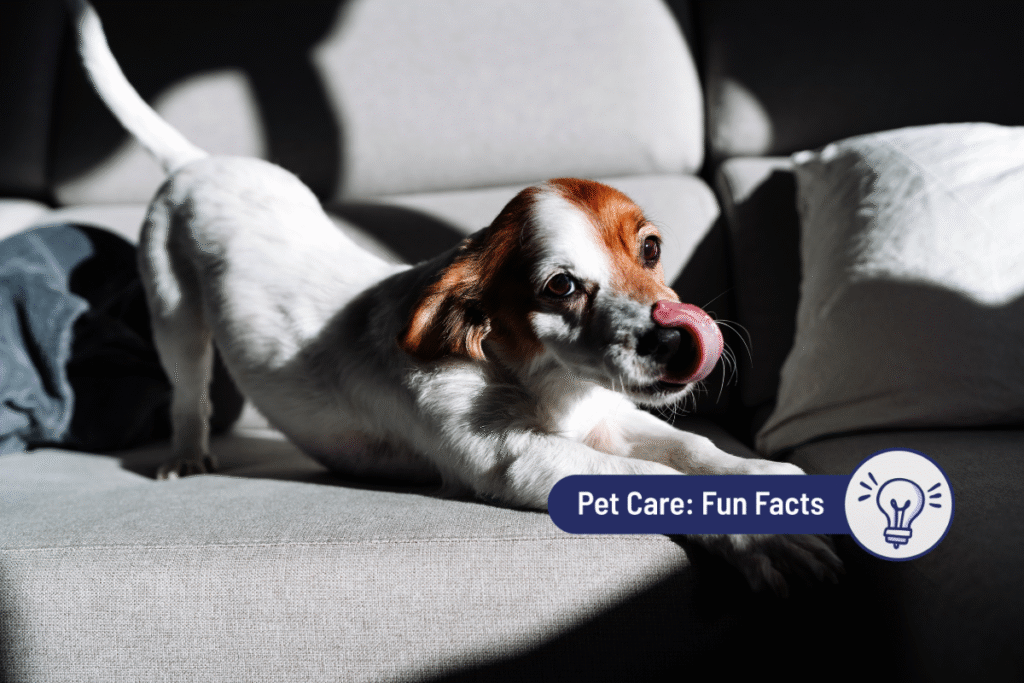
Dogs have many ways of saying “hello,” and one of the most charming is a big stretch when you walk in the room. Whether it’s a front-end bow, a long full-body stretch, or a quick tail wag and yawn, this motion often says more than you think.
While stretching is a natural part of waking up and moving around, it’s also an important part of canine communication. Understanding what your dog’s stretch means can help you tell the difference between a relaxed greeting and something that might need a closer look.
The Friendly “Hello” Stretch
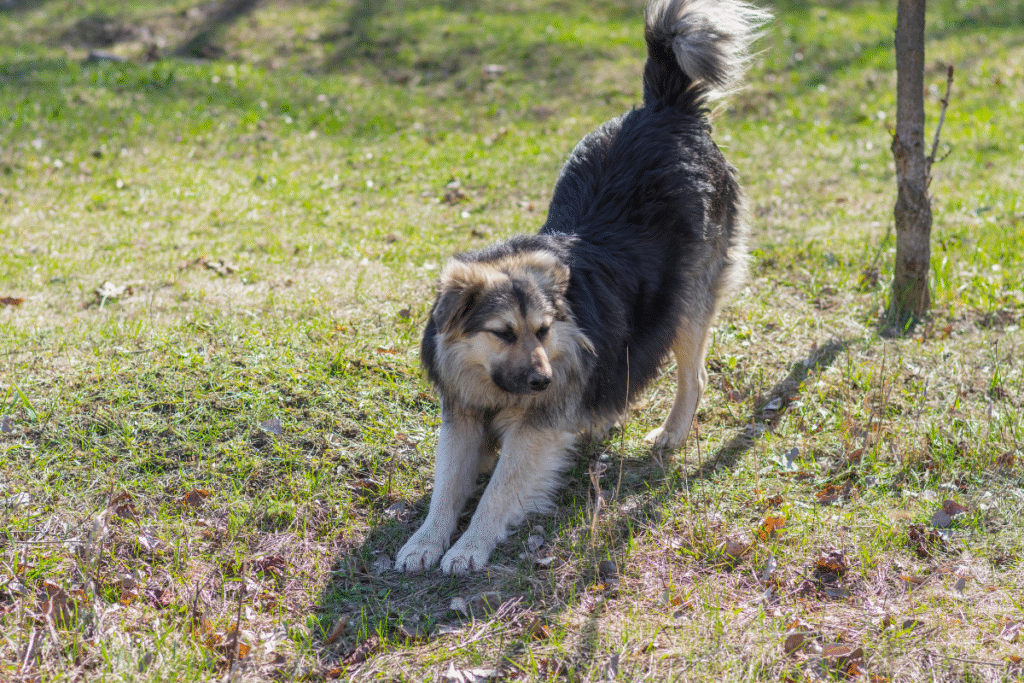
Many dogs greet their favorite people with a stretch that looks like a play bow, with their front legs extended, chest low, hips up, and a loose, happy tail. It’s a friendly, low-pressure signal that says, “I like you and want to interact.” You might also see soft eyes, wiggly movements, and relaxed ears. This is a dog’s version of smiling and being social.
Many behaviorists refer to these stretches as “appeasement gestures.” They’re polite, non-confrontational signals that say, “I come in peace.” When your dog greets you this way, it’s a reflection of both emotional comfort and strong attachment.
Post-Nap Stretches vs. Attention-Seeking
After lying down or sleeping, dogs naturally stretch to warm up their muscles, improve circulation, and get their joints moving again. These stretches are just like our own, easing stiffness and preparing their bodies for activity.
But sometimes, the same motion becomes a learned behavior. If your dog realizes that stretching gets your attention, they might do it intentionally as a greeting or even as a way to prompt interaction. That’s perfectly fine when it’s friendly and relaxed.
This type of stretching is generally harmless and even endearing. It can also be a sign that your dog feels comfortable expressing themselves. You can respond with a calm greeting, then redirect with a simple cue like “sit,” “touch,” or a few steps of loose-leash walking to keep the energy positive and structured.
You may also notice that your dog stretches when you first wake up or enter a room, which can just be a sweet ritual of connection for them. Dogs are creatures of routine, and these small social gestures often become part of their daily rhythm.
Reading the Context
The key to understanding your dog’s stretching is to look at the whole body, not just the movement.
A relaxed, friendly stretch usually comes with a soft face and fluid motion. Their transitions from stretching to walking should look smooth and easy. Their tail might wag loosely or sway gently, and their ears will often rest naturally rather than being pinned or perked sharply forward.
Stretches that might suggest potential issues tend to look different. You may notice “frozen” eyes, tension around the mouth, or a stiffer posture. Their tail might be tucked, and their back slightly hunched. Dogs that feel uncomfortable might also pause after stretching, hesitate to move, or appear guarded about specific areas being touched.
Because dogs are masters of subtle communication, the same movement can carry different meanings based on context. Try noting when and where your dog stretches most. Is it after meals, around nap times, before a walk, or at random times throughout the day? These patterns can offer insight into whether the stretch is social and physical, versus a sign of greater issues.
If you notice your dog stretching repeatedly without a clear reason, or if it seems connected to other behavioral changes, that’s a good time to bring it up with your veterinarian.
When Stretching Flags a Problem
Most stretches are perfectly normal, but repeated or unusual postures can sometimes signal a more serious issue.
One red flag is when your dog frequently drops into a “prayer position” (front legs down, hind end up) outside of normal play. While this pose is common during playful interactions or a first-morning stretch, frequent repetition accompanied by drooling, whining, or restlessness may indicate abdominal discomfort. Likewise, reluctance to jump, limping, or difficulty rising may point to stiffness or unease.
Primary indicators to look out for:
- Reluctance to jump onto furniture or into the car
- Vocalizing when moving or being picked up
- Limping or stiffness, especially after rest
- Changes in appetite or energy level
These signs don’t automatically mean something serious is wrong, but they do suggest your dog could be uncomfortable. When stretching happens alongside changes in movement, mood, or digestion, it’s best to reach out to your veterinarian for evaluation.
Sometimes stretching is simply a coping mechanism to burn off some tension. But when it becomes repetitive or guarded, it’s worth paying closer attention. Early detection of these issues can make a big difference in helping your dog stay comfortable and active.
How To Respond
If your dog greets you with an enthusiastic stretch, greet them calmly in return. Offer brief play or sniff time if the situation allows, then settle them with a mat cue or chew. Alternatively, if stretching seems to be linked to potential conditions, especially with changes in movement, appetite, or behavior, reduce their physical activity and reach out to your veterinarian for an evaluation.
A few general habits can help joints and provide comfort. Aim to provide consistent, moderate exercise suited to your dog’s breed and age. Maintaining their diet is an important part of long-term health, too, as excess weight gain can strain joints and muscles. You can further support joint mobility through regular veterinary checkups and guidance on nutrition or supplements.
While these steps don’t guarantee prevention of all issues, they will help promote overall wellness so your dog feels their best through every stage of life.
FAQ
Is constant stretching normal?
Occasional stretching is typical, especially after rest. Frequent or tense stretching paired with other changes should be discussed with your veterinarian.
Is a play bow always playful?
Usually, but the context matters. A loose, wiggly body says “friendly.” A stiff or still body suggests caution or unease.
Should I stretch my dog for them?
No, avoid manually stretching your dog’s legs or back unless instructed by your veterinarian or a certified rehab therapist.
Could stretching mean stomach issues?
It may. A recurrent “prayer position,” drooling, or signs of restlessness may be a sign of abdominal discomfort. If you notice this, call your veterinarian for guidance.
Why does my dog stretch more as they get older?
Senior dogs often stretch more to ease stiffness or maintain range of motion. Age-related joint changes can make movement feel different. Gentle activity and regular veterinary checkups can help keep them comfortable.
Every Stretch Tells a Story
Most greeting stretches are happy signals or part of your dog’s normal physical routine. Paying attention to context—when, how, and what else your dog’s body is saying—helps you distinguish a friendly “hello” from potential issues.
A relaxed stretch means your dog feels comfortable and safe with you, a simple yet powerful reminder of the trust you’ve built together. When that same stretch looks tense or is paired with other changes, it’s your cue to pause and look closer. Small shifts in behavior often speak volumes, and noticing them early can make a big difference in your dog’s comfort and well-being.
Any health or medical information in ElleVet blogs is from a variety of public and reputable sources. This information is intended as an educational resource only and is not a substitute for expert professional care.