Reviewed by: Dr. David Tittle, BVetMed, CertVA, GPCert (WVA&CPM), MRCVS
Every now and then, most dogs will become stinky, whether from rolling around in something nasty, having bad breath, or not drying off well enough after swimming in the lake. While most odors are harmless, some can signal serious health issues. What are some of the reasons your dog can become smelly, and what can you do to make it go away?
Possible causes of a smelly dog and how to help
Skin issues
Allergies, parasite infestations, and secondary bacterial and yeast infections are all common issues known to produce stinky dog skin. Besides odor, they can also lead to hair loss, sensitive skin, and more serious infections if left unaddressed. Small Door Vet notes that allergies often begin the process, which leads to scratching and licking that open the door for infections. Dogs with skin folds, like French bulldogs and Pugs, are also prone to developing skin problems due to their folds retaining moisture and providing an ideal environment for bacterial and fungal infections.
From a biological perspective, a dog’s skin microbiome plays a significant role in whether odors develop. Just like humans, dogs carry millions of microorganisms on their skin. The balance between “good” and “bad” microbes can be disrupted through allergies, food sensitivities, or environmental irritants. The result is often a sour, musty, or yeasty smell. Recognizing that the odor is not just cosmetic but tied to deeper imbalances can help pet parent understand the importance of consistent skin and coat care.
How to help: Monitor your dog for signs of sensitive, infection, and worsening smell. Keep your dog’s skin as clean and dry as possible. Dogs with skin issues or allergies that result in dry, itchy skin typically require more frequent bathing. Regular baths can go a long way towards removing environmental allergens and reducing bacteria and yeast. The appropriate shampoo should be used as over bathing can cause dry skin and cause even more itching. An oatmeal shampoo or a shampoo specific for sensitive skin is best and your veterinarian can steer you in the right direction.
Environmental smells
Dogs pick up scents from their surroundings. For example, dogs with yards often smell like grass, while those from rural homes sometimes smell like hay. If your dog smells remarkably bad, it is possible that they rolled in something stinky like a dead animal, rotten food, or feces.
How to help: The best solution to addressing your dog’s foul smell in this case is to give them a bath. Be sure to use a high-quality shampoo made specifically for dogs, and thoroughly dry your dog’s coat afterwards.
Wet dog
Have you ever wondered why your dog stinks right after a bath? Microorganisms like yeast and bacteria are always living in your dog’s fur, and as long as the fur stays dry, there’s little odor. However, when your dog takes a bath or goes for a swim, the water causes the release of stinky compounds. When their coats are wet for a prolonged amount of time, dogs can also develop skin issues like hot spots and infections, potentially making smells worse.
Scientists have identified specific chemical compounds, like volatile organic compounds, that are released when wet fur evaporates. Essentially, the smell of “wet dog” is a combination of microbial activity and water molecules carrying odor particles into the air. This explains why even the cleanest, healthiest pup can smell funny when damp.
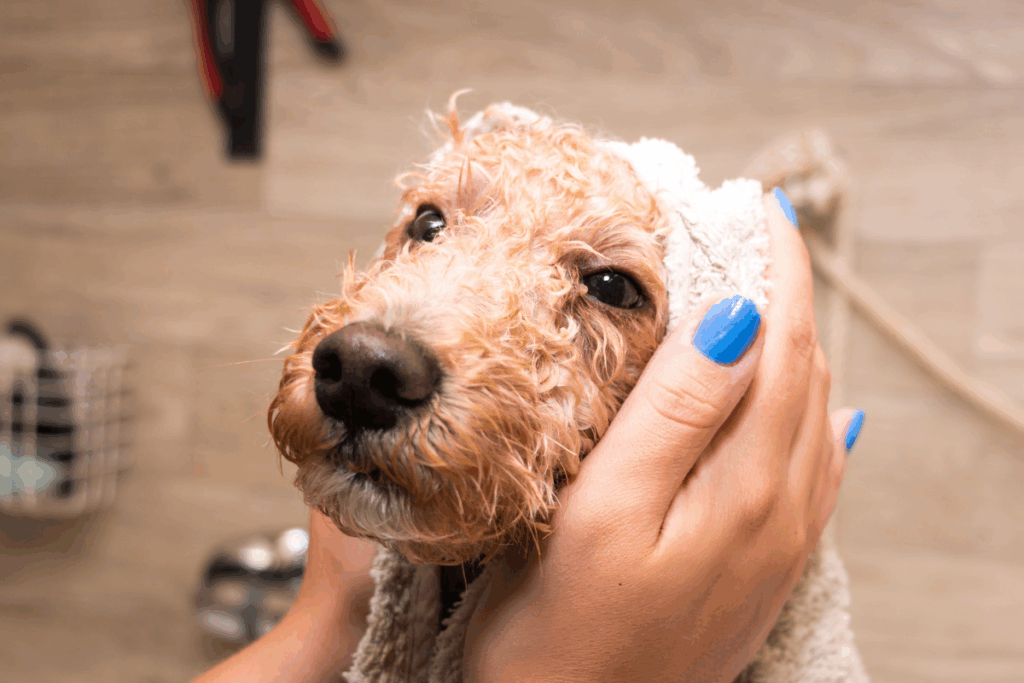
How to help: Drying your dog’s coat after a bath is crucial to keeping your pup healthy and comfortable. Moisture can easily get trapped in the folds of a wrinkly dogs’ skin, so be sure to dry all of those tough-to-reach spots to avoid skin issues. Dogs with heavier coats should also be dried thoroughly to prevent hot spots. You may want to consider using a dog blow dryer, which uses less heat than one made for humans and is less likely to injure your dog.
Bad breath
Your dog’s bad breath can be the result of an oral hygiene issue, a stuck foreign object, their diet, kidney or liver problems, or even oral tumors. The specific smell may serve as an indicator of the underlying issue. For example, dog breath that smells fruity or sweet could indicate diabetes, while kidney disease or bladder infection can result in breath that smells like urine.
Oral hygiene should not be overlooked since the bacteria that thrive in dental plaque and tartar can spread to other organs if left untreated. Studies in veterinary medicine have shown a link between gum disease and systemic problems.
How to help: The best way to improve your dog’s breath is to brush their teeth on a regular basis and have your veterinarian check their teeth at least once annually. In addition, you should offer your dog plenty of toys to chew on, which can help keep their teeth clean and combat bad breath. If oral hygiene has become enough of an issue for your pup to develop infected or rotten teeth or gums that are causing smelly breath, extraction may be the best course of action.
Ear infection
Ear infections are one of the most common health conditions in dogs. They tend to be mild and resolve in a matter of weeks with proper treatment but may have a foul odor in the meantime.
Because a dog’s ear canal is L-shaped, it provides the perfect warm and moist environment for yeast and bacteria to thrive. Breeds with floppy ears, like Cocker Spaniels, are especially vulnerable since airflow is reduced, making odors worse. Chronic ear infections may even hint at allergies or immune-related problems, so persistent odor shouldn’t be ignored.
How to help: Once an ear infection is properly diagnosed, your veterinarian may simply clean your dog’s ears using a medicated ear cleanser, or send you home with a prescription cleanser and or topical medication. If there is a foreign object that’s causing the issues, your vet will remove it from the ear canal. Clean your dog’s ears regularly and thoroughly dry them after swimming and bathing.
Gas
If your dog seems gassier than usual or smells particularly bad, there’s a good chance they ate something they shouldn’t have. Your gassy dog may also have diarrhea and vomiting, in which case that may have eaten something really nasty, like a rotten carcass or something in the trash. VCA notes that bad gas is often due to an intolerance to an ingredient in their food or a non-food item they ate while you weren’t looking.
Diet is one of the biggest influences on odor, not just gas. Highly processed foods, low-quality proteins, or an imbalance of fiber can upset digestion and amplify smells. Some breeds also swallow more air while eating, which contributes to flatulence. Identifying whether the problem is medical or dietary is key in resolving the odor long term.
How to help: Visit your veterinarian to make sure an illness isn’t to blame for your dog’s flatulence. If there is no underlying health condition, your veterinarian can work with you to make gradual changes to your dog’s diet to help ease their smelly gas.
Impacted anal sacs
Whenever your dog’s anal sacs or glands haven’t emptied properly when they go to the bathroom, there’s a chance these glands can become blocked, impacted, and swollen. If they’re impacted for too long, they can build up nasty bacteria, causing pain, increased swelling, and sometimes even abscesses and fever. Impacted anal glands are often itchy, painful, and smell terrible.
Anal gland odor is one of the most distinct and pungent smells a dog can produce, often described as fishy. Occasional scooting or mild odor is common. However, chronic problems can indicate food sensitivities, allergies, or even obesity, since overweight dogs sometimes struggle to naturally empty their glands.
How to help: This issue is a gross one, but the good news is that there’s an easy fix. If you’ve noticed your dog’s rear end stinks and they are suddenly scooting around the carpet to relieve pain and itchiness, you should take them to the veterinarian to have them express these glands.
What not to do
Understanding what not to do when your dog reeks is just as important as knowing what to do. If your dog smells particularly foul:
- Don’t waste time searching online or trying to fix things yourself can delay improvement as it can delay improvement. If the reason for your dog’s stench is not completely obvious and or can’t be addressed with a quick bath, seek help from your veterinarian. There may be something more serious going on, and your veterinarian will be able to identify and rule out possible causes of the bad smell.
- Don’t use home remedies such as borax, hydrogen peroxide, vinegar, or bleach. These substances can be very dangerous when used on pets
- Don’t overdo it trying to cover up your dog’s stink with fragrances. Body sprays, perfumes, and air fresheners can cause more skin irritation.
Bottom line
Sometimes it takes more than a quick bath to get rid of your dog’s stench. If your dog suddenly smells particularly bad and shows signs of discomfort or illness, consult your veterinarian as soon as possible. When it comes to preventing dog odor and further health issues, pet parents should prioritize regular grooming and bathing, as well as making sure their dog is completely dry after getting wet.
Ultimately, asking “why does my dog smell so bad” should prompt not just curiosity, but also care. Odor is often a signal from the body that something isn’t right – whether it’s a skin imbalance, poor dental health, or digestive upset. By paying attention to these warning signs, you can catch potential problems early, improve your dog’s comfort, and keep your beloved companion smelling fresh for more cuddles.
Any health or medical information in ElleVet blogs is from a variety of public and reputable sources. This information is intended as an educational resource only and is not a substitute for expert professional care.