Reviewed by: Dr. Robert Menardi, DVM
Trimming your dog’s nails can feel like a routine task, until you nick the quick. Suddenly there’s blood, your dog pulls away, and you’re left trying to stay calm while you figure out how to stop the bleeding. If this has happened to you, you’re not alone. Cutting a dog’s nail too short is one of the most common grooming mishaps pet parents’ faces.
Trimming mistakes aren’t the only reason dogs end up with bleeding nails. From cracked claws to rough play injuries, there are a few different ways those nails can get damaged, and they all call for quick, calm care.
The good news? In most cases, managing your dog’s bleeding nail can be done safely and quickly at home, especially if you know what to look for and have the right tools on hand.
Why Do Dog Nails Bleed?
Inside each dog’s nail is a sensitive cuticle called the “quick,” which contains blood vessels and nerves. When that area is damaged, it bleeds, often more than you’d expect. This can happen during nail trims if the nail is cut too short, but trimming mishaps aren’t the only cause.
A dog’s nail can also break, split, or tear from everyday activities, like catching on fabric, digging into hard ground, or knocking against a rough surface. Even a minor snag can expose the quick and trigger bleeding, making nail injuries more common than many pet owners realize.
How much a nail bleeds can vary based on the dog’s size and how still they are during the trim. With dark nails, the quick is harder to see, so you are more likely to cut the nail beyond the level of the quick, which will result in a nail bleed. While the bleeding can look dramatic, the quick typically clots within a few minutes if managed properly. If a nail is broken or cracked close to the base, or if it’s bleeding persistently, a vet visit may be needed to prevent infection or further injury.
How to Stop Dog Nail Bleeding at Home
If your dog’s nail is bleeding, the most important thing you can do right away is stay calm, for your sake and your dog’s. Speak to them in a soothing voice and gently restrain them for proper care, asking for help as needed.
Next, gather your supplies. Sometimes, gentle pressure with a clean cloth or gauze is enough. However, more often, styptic powder or gel is your most effective option because it is fast-acting and specifically designed to help blood clot. If you don’t have styptic powder, alternatives like cornstarch, baking soda, or cauterizing powder can also work in a pinch.
To stop the nail from bleeding, dab the powder directly onto the nail tip and apply gentle pressure. Bleeding should slow within a few minutes, but reapply if needed.
After the bleeding has slowed, try to limit your dog’s walking, especially on hard floors and in dirty environments. This allows time for the nail to seal and reduces the chance of reopening the wound.
How Long Does It Take for a Dog’s Nail to Stop Bleeding?
In most cases, bleeding should slow down within a couple of minutes after applying the styptic powder or a different home remedy. Full clotting may take up to 5 to 10 minutes, depending on how much of the quick was nicked and whether your dog is staying still.
The key is to keep your dog calm and off their feet as much as possible while the nail seals. Walking, jumping, or licking at the area can reopen the wound and prolong bleeding. If the bleeding restarts, repeat the application process and continue applying gentle pressure.
What to Do if the Bleeding Won’t Stop
If your dog’s nail is still bleeding after 20 minutes of applied pressure and clotting powder, it’s time to check in with your veterinarian. Excessive or prolonged bleeding could signal that the quick was cut deeper than expected or that your dog has an underlying clotting issue.
Keep the area clean and covered during the trip to the vet. Wrapping the paw with a clean cloth or gauze can help reduce exposure to dirt and bacteria. It’s rarely an emergency, but if the bleeding doesn’t stop after first-aid efforts, it’s best to err on the side of caution and call your vet.
How Can I Help My Dog Avoid Broken Nails?
Broken or torn nails can happen during rough play, outdoor adventures, or even just jumping off the couch the wrong way. These injuries are not only painful but can also lead to bleeding, limping, or infection if the nail cracks near the base. While not every accident is avoidable, there are a few things you can do to reduce the risk.
Start by checking your dog’s paws regularly, especially after long walks or energetic play. Look for signs of cracking, splitting, or debris lodged near the nail beds. Wiping off dirt and grit after outdoor time can also help minimize friction that weakens the nails.
The surfaces your dog walks on matter, too. Slick floors, jagged rocks, or uneven pavement can cause awkward slips or catches. If your dog is active outdoors, inspect your walking routes and consider using booties or paw wax in rougher conditions. Inside the home, try adding traction mats or rugs in frequently used areas to help stabilize their footing.
For dogs prone to brittle or weak nails, talk to your vet about possible underlying causes. Nutritional deficiencies or certain health conditions can make nails more fragile, and your veterinarian may suggest supplements that support nail strength over time.
Finally, one of the most effective ways to prevent nail injuries is to keep them at an appropriate length. Shorter nails are less likely to catch or break.
How to Avoid Cutting the Quick During Nail Trims
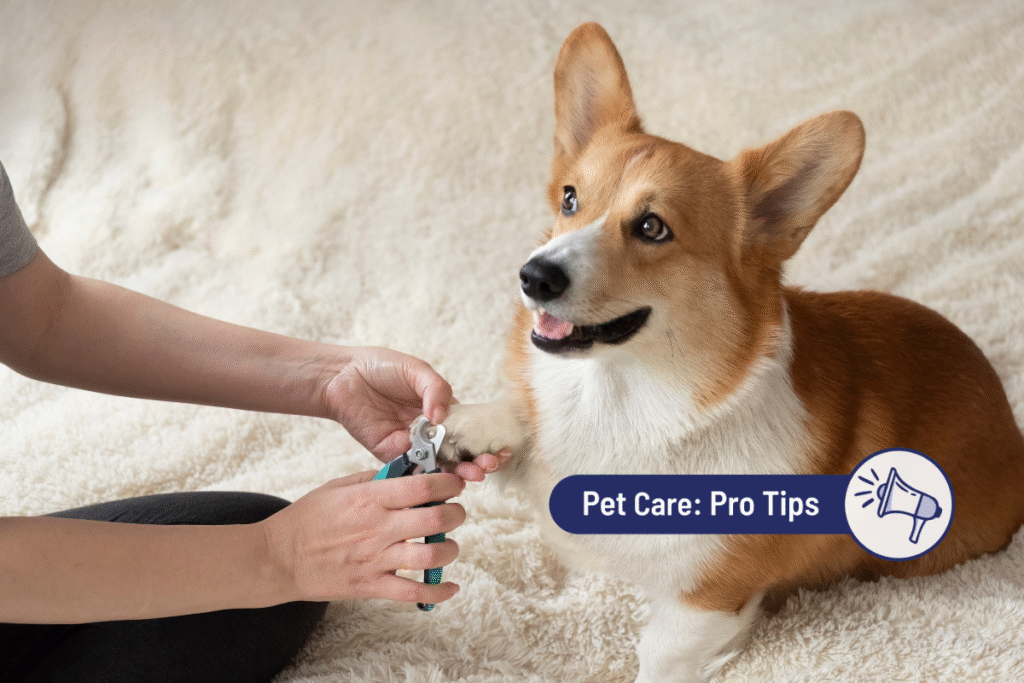
There are a few simple ways to reduce the chances of accidentally cutting the quick. First, make nail trims a regular part of your routine. Shorter nails have shorter quicks, which makes it easier to trim without hitting them.
Use proper tools, such as a sharp dog nail clipper or grinder. Dull blades can crush the nail rather than cutting it, which can be more painful and increase the likelihood of injury. If your dog has light-colored nails, the quick will appear as a pink line running through the center of the nail. For black nails, trim gradually and look for a small dark dot in the center of the cross-section. That’s a sign you’re getting close to the quick.
When in doubt, trim just the tips or ask your vet or groomer for a demo. You can also gradually condition your dog to be more comfortable with handling and trimming through positive reinforcement and calm, consistent practice.
Just in case, have some styptic powder and gauze available before you start. A little preparation will help you be calm and ready if you happen to trim a nail too close to the quick.
Helping Your Dog Stay Calm During Nail Trims
Even the most patient dogs can get nervous during nail trims, especially if they’ve had a bad experience in the past. Creating a calm, predictable routine can help ease stress for both of you.
Start by choosing a quiet space and allowing your dog to sniff the tools. Keep your sessions short and positive, rewarding them with praise or small treats after each paw. If your dog shows signs of restlessness or tension, pause and try again later. You don’t need to do all four paws in one go.
Some pet parents also explore calming support to help their dog relax. Products like CBD Chews for dogs may help promote relaxation and emotional balance during potentially stressful experiences, such as grooming or nail trims. As always, consult your veterinarian before introducing any new supplement to your dog’s care.
How to Make Nail Trims Part of a Low-Stress Routine
Consistency is everything when it comes to nail care. Trimming your dog’s nails on a regular schedule makes each session quicker and easier over time. Most dogs benefit from trims every 3 to 4 weeks, although this can vary depending on activity level, age, and nail growth rate.
Try associating trims with positive experiences. Use a cheerful voice, offer treats, and keep things relaxed. Start by simply handling your dog’s paws and letting them sniff the tools.
If your dog is sensitive, keep sessions short. One or two nails at a time is fine. With patience and repetition, nail trims can become just another part of your dog’s routine.
You’ve Got This (And So Does Your Dog)
Nail injuries can catch even the most careful dog owners off guard. Whether it’s a quick nick during trimming or a snag during playtime, bleeding nails happen. Knowing how to respond calmly, stop the bleeding, and protect your dog’s paw afterward makes all the difference.
Regular nail care, gentle handling, and a bit of prevention go a long way. From choosing the right surfaces for play to keeping nails short and strong, these small habits help protect your dog’s paws and their overall comfort.
With time, practice, and a little patience, nail trims become less stressful and more routine. And when accidents do happen? You’ll be ready.
Any health or medical information in ElleVet blogs is from a variety of public and reputable sources. This information is intended as an educational resource only and is not a substitute for expert professional care.