Reviewed by: Dr. David Tittle, BVetMed, CertVA, GPCert (WVA&CPM), MRCVS
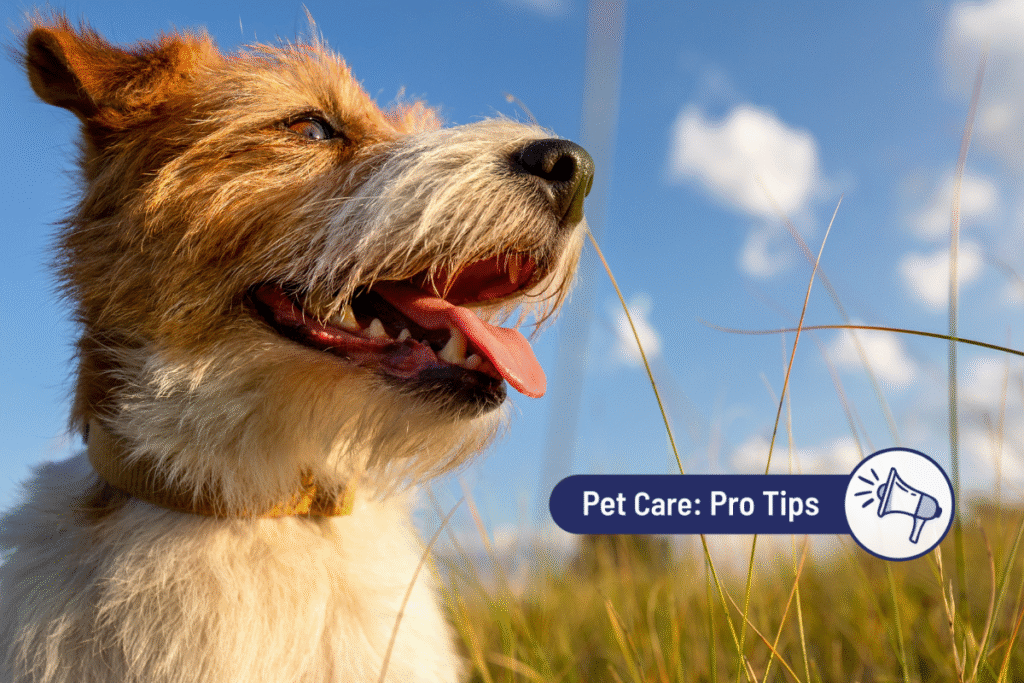
It’s a scorching summer day at the park, and your dog’s tongue is hanging out while their chest rises and falls with heavy panting. Other dogs are playing, people are chatting, and yet your pup seems on edge. How do you help your dog calm down?
Dogs communicate a lot through their body language, and one of the most noticeable signs is panting. While panting is normal, especially after exercising or on hot days, it can sometimes be concerning when it seems excessive. Understanding how to calm a panting dog in the car or at home can make a big difference in their overall comfort and wellbeing.
Why Does My Dog Pant So Much?
Before exploring how to calm a dog’s panting, it’s helpful to understand the common reasons behind this behavior.
Heat and Exercise: Dogs rely on panting to cool down. After walks, playtime, or in hot weather, panting increases as their bodies work to regulate temperature.
Excitement or Emotional Stimulation: Just as humans breathe faster when excited, dogs may pant when they’re happy, curious, or anticipating something fun.
Stress or Nervousness: New environments, unfamiliar people, car rides, or loud noises can cause a dog to pant as a coping mechanism.
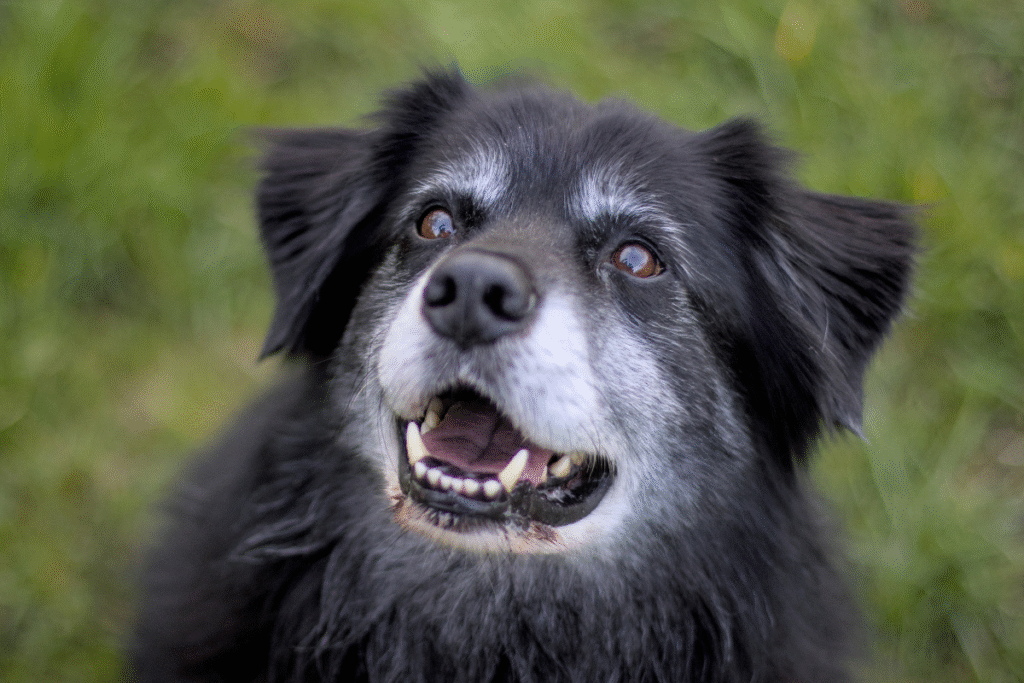
Age Factors: When senior dogs pant, it may reflect reduced stamina, reduced cooling efficiency, or natural aging. Shorter walks, more frequent rest, and predictable routines can be especially helpful for older dogs. If in doubt, have your dog visit your veterinarian for evaluation.
Discomfort: Panting is an often-overlooked indicator of discomfort. If your dog appears to pant more, especially after certain activities, this may be a sign that your dog is experiencing discomfort. It’s worth visiting your veterinarian for your pet to be examined to identify any potential sources.
Other Factors: Mild thirst, hunger, or sudden changes in routine can increase panting. Observing your dog’s environment and triggers can help you understand their needs.
Dog panting is a natural mechanism that regulates body temperature, releases energy, and responds to stimuli. However, frequent or intense panting may indicate that your dog is stressed, overstimulated, or seeking a way to self-soothe. Remember to consider the context, frequency, and environment. Awareness is the first step in helping your canine companion feel more at ease.
7 Steps to Calm a Panting Dog
Helping your dog calm down requires both immediate strategies and long-term lifestyle support. By addressing your dog’s environment, emotional needs, and daily habits, you can create a calming framework that helps them feel safe and balanced. Here’s a structured approach to guide you:
Step 1: Create a Comfortable Space
When dogs feel overstimulated or stressed, they often seek a safe place to retreat. Providing your dog with a designated relaxation area can help them settle and reduce unnecessary panting. Senior dogs, in particular, may benefit from predictable downtime in a familiar environment.
This space should feel consistent and secure, so your dog begins to associate it with rest and calmness. Consider a spot with low lighting and minimal noise. Provide them with soft bedding, a chew toy, and something with your scent, like a t-shirt or blanket.
Step 2: Encourage Gentle Physical Cooling
Panting is your dog’s natural way of cooling down, but sometimes they need a little help, especially in hot weather or after activity. Supporting your dog’s ability to regulate their temperature can prevent emotional imbalance and reduce panting episodes.
Keeping them hydrated and providing simple cooling methods goes a long way in ensuring comfort. Provide fresh, room-temperature water in an air-conditioned space or a fan for good air circulation. You could also offer them a cool, damp towel, and refresh this regularly with cool water to encourage loss of heat. These steps are especially important during the summer or after long play sessions.
Step 3: Support Calm Behavior with Your Presence
Dogs take emotional cues from their humans, and your behavior directly influences their stress levels. If you project calm energy, your dog is more likely to relax and slow their breathing. Overexcitement, sudden movements, or raised voices can unintentionally reinforce panting behavior. Instead, consistency in tone and posture helps build a sense of safety.
By remaining calm, your dog can mirror your relaxed demeanor. Keep these tips in mind:
- Speak softly and use neutral body language
- Avoid overexcited gestures or sudden movements
- Sit or kneel near your dog instead of looming over them
Step 4: Use Redirection and Focused Attention
Sometimes panting stems from overstimulation or excess excitement and breaking that cycle is key. Redirecting your dog’s attention toward a familiar command (like “sit” or “place”) can help reset their state of mind.
Redirection with a structured activity not only distracts them but also gives them something purposeful to do. Offering engaging activities, such as their favorite toy or puzzle, helps your dog channel their energy more constructively. Gentle chewing toys are a great option.
Step 5: Calming Supplements for Added Support
For dogs that experience situational stress-related panting, such as during thunderstorms, natural calming aids, like vet-approved CBD for dogs, may provide extra support. Pet parents often find that calming supplements work best when used alongside environmental enrichment and predictable routines. Always check with your veterinarian before introducing new supplements.
Step 6: Manage Car-Related Panting
Car rides can be exciting for some dogs and stressful for others, often leading to panting. Preparing in advance can help ease their sense of overwhelm and make travel more enjoyable for both of you.
To help calm your dog in the car, ensure proper ventilation and moderate temperature. Put on gentle music and set up the space with familiar blankets or toys. And you can always stop for breaks on longer drives.
Simple adjustments like these can help your dog feel safe during the ride. Over time, positive associations and gentle reassurance can turn road trips into a smoother experience.
Step 7: Maintain Routine and Mental Stimulation
Consistency is one of the most powerful tools for stress-related panting. Dogs thrive on routine, and having predictable daily activities provides a sense of stability. Mental enrichment, along with regular physical activity, helps your dog stay engaged and balanced. Senior dogs may especially benefit from shorter, structured activities that suit their comfort level.
Consistent routines and mental engagement support calmer overall behavior:
- Regular walks, play, and feeding schedules can help with stress-related panting
- Puzzle toys, scent games, and short training sessions provide mental enrichment
- Senior dogs may benefit from shorter, more predictable activities that respect their energy levels
Additional Tips for Senior Dogs Panting
Older dogs may pant more due to slower recovery after exercise and sensitivity to heat or stress. Consider breaking up walks into shorter sessions to avoid overexertion, and provide extra hydration and shaded rest areas for them to rest and reset. Offer them a gentle massage or calming activity they enjoy to promote relaxation.
It’s important to monitor our senior companions for signs of fatigue. Always contact your veterinarian with any concerns or guidance.
When to Seek Guidance
Even with consistent care and calming strategies, some dogs may continue panting more than expected. Occasional panting is normal, but when it becomes frequent, intense, or accompanied by other concerning signs, it may indicate something deeper.
In these situations, professional guidance can make all the difference, both for your dog’s comfort and your peace of mind. Trainers and veterinarians can help determine whether panting stems from behavioral, environmental, or physical triggers. Seeking expert support ensures your dog receives the right care:
- Your veterinarian can help rule out lifestyle, physical, or environmental factors contributing to dog panting.
- Certified dog trainers specializing in behavior can provide personalized techniques.
- Seeking guidance ensures your dog’s comfort and your peace of mind.
Key Takeaways
Panting is natural, but excessive panting can indicate stress or overstimulation. Every dog is unique, and what works best may vary depending on their age, health, and personality.
By combining short-term calming techniques with consistent daily habits, you give your dog the tools to manage stress more effectively. Over time, these efforts not only help with panting but also strengthen the bond between you and your companion, creating a happier and more relaxed life together.
Any health or medical information in ElleVet blogs is from a variety of public and reputable sources. This information is intended as an educational resource only and is not a substitute for expert professional care.