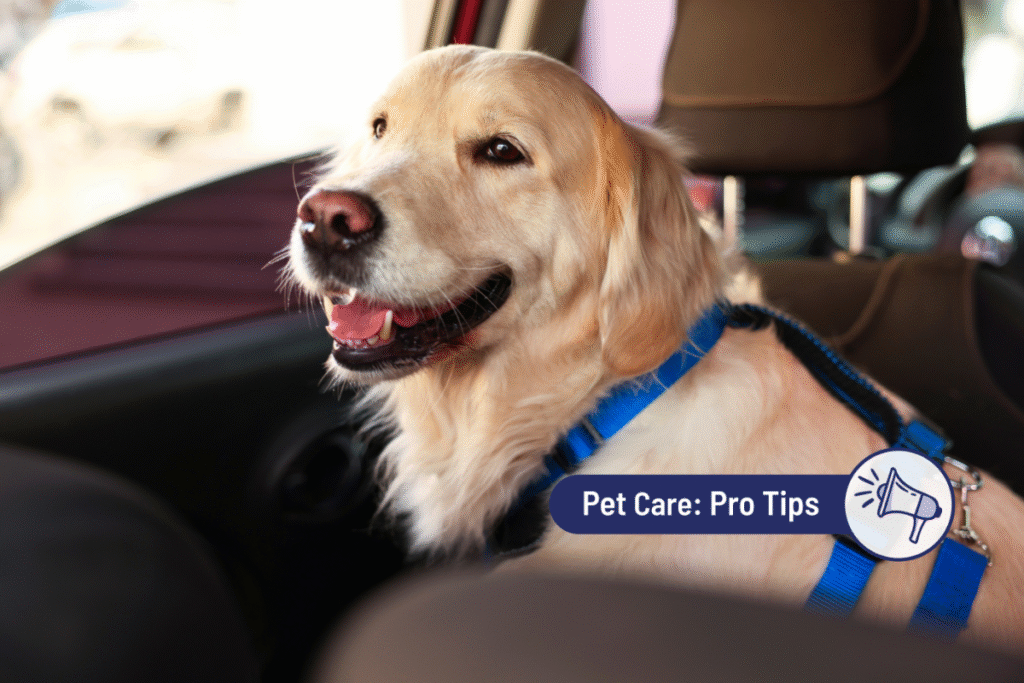
Spring and summer are popular times of year for taking a road trip. The sun is shining, nights are warmer, and the clear, open roads are inspiring. And since adventures are better with our best friends by our sides, many dog parents will be taking their pups along for the ride.
If you don’t know where to start planning to bring your canine companion with you for the fun, or even if you have experienced trouble in the past, look no further for helpful tips and tricks.
Before you hit the road
The earlier you teach your dog to be comfortable in the car the better, and getting them familiar with car rides in general is a great place to start.
Start slow: Begin your car ride introductions with just a couple of minutes and work up to more and more time as your dog becomes more comfortable. If your dog isn’t used to being in the car, or becomes nervous, or experiences motion sickness during short car rides around your city, it is not a good idea to jump right into hours of driving.
Create a positive association: Make sure to give your dog lots of positive reinforcement for good behavior – pack plenty of treats and don’t be shy with praise when they enter the car voluntarily. Holding or sitting next to your dog while someone else drives can also help your pup ease into those initial car rides together.
Make it safe and sound: If possible, it is best to even constrain your dog in a small area, whether this be a carrier or a crate, to make sure they are safe in case of an accident. And if you can, provide your dog with a place in the car that is “their spot” whenever you go on rides. Place a blanket or even a dog bed if it fits to help mark this territory.
Make sure your trip is dog-friendly
Consider and try to book your accommodations ahead of time. If you are staying at a hotel, be sure to call and make sure they are truly pet friendly even if the website says they are.
Another option while road tripping is camping! If you are camping at a campsite make sure they are pet friendly. If you are camping elsewhere, just make sure to be aware that the environment is safe for your pup.
Make sure to be conscious of your dog’s abilities. Not all dogs are able to hike uphill for miles while others love this kind of exercise. Also, do your research ahead of time–not all trails are pet-friendly. Either way, make sure you pack lots of water for your pup.
Whatever you do, never leave your dog in the car. Cars can overheat very quickly and this can become very dangerous for dogs.
If you need to make a stop, not only is this a good time for a bathroom and water break for your dog, you’ll want to also make sure you have a plan for someone to take them on a quick walk outside. Traveling alone? Find a safe spot to secure your dog’s leash, and always stay aware of your environment. Are there lots of cars? Are there lots of people? If you are unsure if somewhere is safe, bring your dog with you!
During breaks or when you have reached destinations, make sure you exercise your dog well. They will likely have pent-up energy from being in a car for hours and will need to run it out. Or even before your next long-haul, getting a run-in to tire your dog out is a good idea!
Other tips
- If your dog like being social, look for cities with off-leash areas to stop in
- Try to keep your dogs on the same eating schedule as at home to help anticipate bathroom breaks (this is not recommended for dogs who get car sick–if this is your dog feed them a couple hours before driving or when you arrive at your destination)
- Keep in mind that most National Parks are not open to dogs
- Just like you would bring a first aid kit for yourself, bring the proper emergency medical supplies for your dog
- Pack the appropriate amount of food and water for the length of your trip (or even extra just in case!), and collapsible food and water bowls
- Be aware of animals in the area you are staying. A shorter leash may be better if there are animals dangerous to your dog
- Always have a copy of your dog’s medical records in case of an emergency
- Make sure your dog is microchipped and has up to date ID information
- Invest in toys that will keep your dog distracted and mentally stimulated in the car
Example packing list
- Food and water (plus durable bowls)
- Treats
- Toys
- Your dog’s favorite blanket
- First aid kit
- Current medical history and vaccination records
- Any additional support your dog may need (e.g., ElleVet Soft Gels)
- A towel or two for cleaning purposes
- Poop bags (always leave a place cleaner than you found it!)
- Dog crate or car restraint of some type
It is not uncommon for dogs to experience stress during travel. Many pet parents use ElleVet Calm & Comfort Chews to help their pup stay calm and relaxed during the ride. Given 1.5-2 hours before travel, these maximum strength CBD + CBDA chews can help provide calming support to create a smoother trip -for both you and your pup.
If you’ve tried to make car travel with your dog work, but they still do very poorly during car rides it is always best to leave them with a sitter or reputable boarding facility.
Any health or medical information in ElleVet blogs is from a variety of public and reputable sources. This information is intended as an educational resource only and is not a substitute for expert professional care.