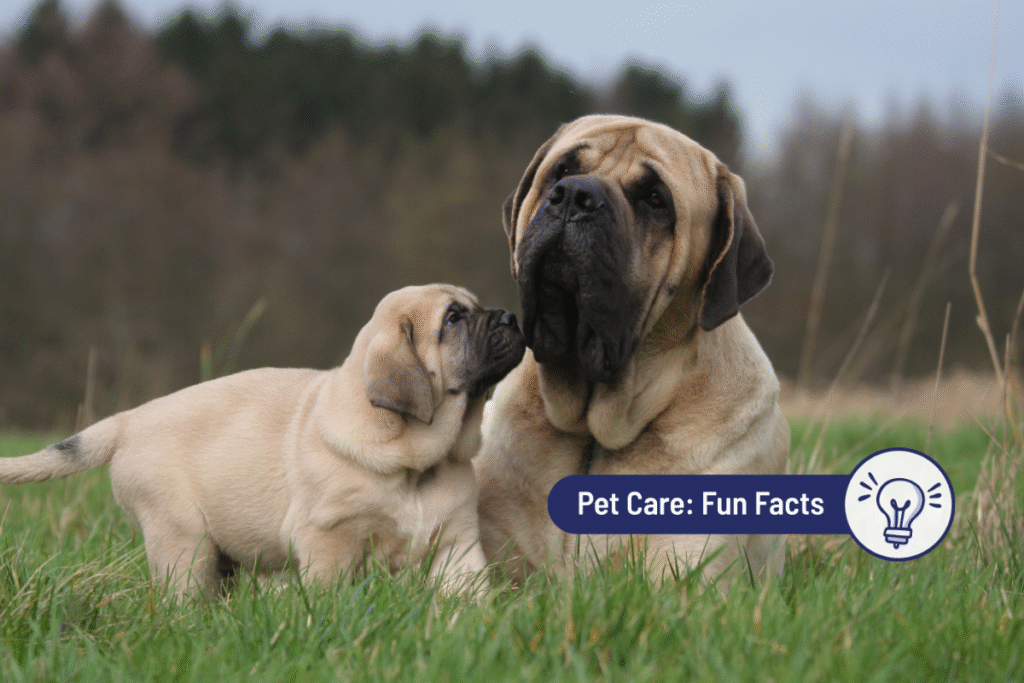
Reviewed by: Dr. Robert Menardi, DVM
Big dogs come in more than one kind of “big.” Some are skyscraper-tall and surprisingly light on their feet; others aren’t as tall but carry serious heft. Those aren’t interchangeable, and those differences shape everything from how you navigate doorways and vehicles to the kind of flooring and daily movement that works best.
Before we talk breeds, here’s how to think about “biggest dogs” and why it’s important to consider when choosing the right breed for your lifestyle and home.
What “Biggest Dog Breeds” Really Means (and Why It Matters)
When people say “the biggest dog,” they may mean tallest at the shoulder (think long-legged sighthounds) or heaviest by body mass (think powerful mastiffs). Those are very different kinds of “big.” A useful way to frame it is height vs. weight.
Tall giants tend to be lean, long-legged, and surprisingly graceful. They take up vertical space and have a sweeping stride length. By contrast, heavy giants have broader chests, heavier bones, and dense muscles. They take up floor space and put more static load on joints.
Height influences doorways, vehicles, and leash handling. Weight influences flooring, lifting, transport, and joint load. However, every dog is an individual, and their size and needs can vary based on sex, breeding lines, and more. With that in mind, let’s break down which breeds are considered the tallest and heaviest.
Tallest Dog Breeds by Stature
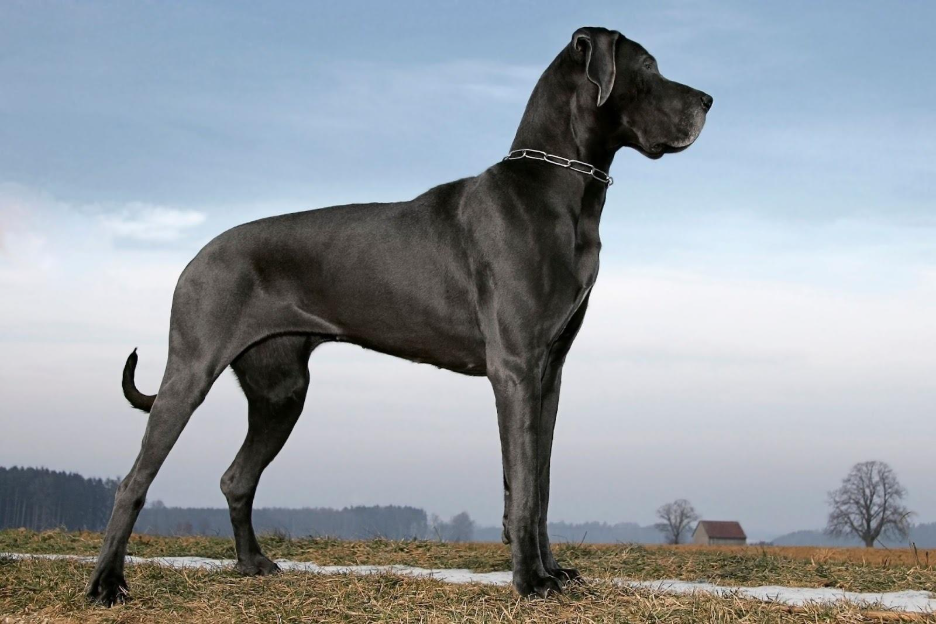
Breeds known for exceptional height are often sighthounds and deerhounds. They were developed for speed and visibility over open ground, which is why their legs seem to go on forever and their frames stay relatively lean.
Commonly recognized tall breeds:
- Irish Wolfhound
- Great Dane
- Scottish Deerhound
- Borzoi
- Anatolian Shepherd Dog
These breeds are typically lean and surprisingly graceful indoors, but their headroom and reach change daily life. Plan for enough vehicle space, stable ramps when needed, and leash skills that prevent unintentional pressure when they take three strides to your one. Because they are athletic sprinters, they often prefer a couple of decent decompression walks and a soft landing zone rather than constant high-impact play.
Heaviest Dog Breeds by Mass
When people picture a massive dog, they usually imagine mastiff-type breeds and mountain rescuers. They’re strong animals that are broad across the chest and through the body.
Often among the heaviest adult breeds:
- Mastiff (English Mastiff)
- Saint Bernard
- Newfoundland
- Leonberger
- Neapolitan Mastiff
- Tibetan Mastiff
- Great Pyrenees
- Greater Swiss Mountain Dog
Many of these heavier breeds were developed as guardians or draft helpers, so they often prefer purposeful jobs and calmly patrolling their space over endless zoomies. Focus on providing comfort, stable footing, and joint-smart movement.
Movement & Exercise for Large Breeds
Every giant dog needs movement, but the type can vary across large breeds. For most, their form was built to follow function, and that history should be taken into account for their movement needs.
For example, open-country sighthounds required speed and stride, while mountain guardians and water-rescue dogs needed mass, power, and insulation. In that way, the exercise style and home setup should match the dog in front of you.
Below are some options for helping with stress and strengthening your gentle giant through thoughtful movement:
- Decompression/sniff walks allow dogs to explore at their own pace and reduce stress.
- Low-impact strength comes from hill walks, controlled figure-eights, and walking over poles (versus repetitive ball launches).
- Swimming can be wonderful for certain breeds that enjoy water and have safe access and proper drying afterward.
- Young or senior large breeds benefit from more, shorter sessions and good surfaces. They may struggle with gravel and slick floors.
Mobility and Joint Support Over Time
For mobility and joint comfort, consider practical helpers, like rugs, ramps, support harnesses, and a dog-friendly vehicle setup that you both can appreciate. Partner with your veterinarian to develop a joint-support plan (body condition, low-impact exercise, and appropriate supplements, such as omega-3s).
If you’re considering dog CBD for joint mobility, ask your vet whether an ElleVet option is suitable for your dog and how it might fit into their overall mobility routine.
Diet and Weight Management
Big appetites don’t exactly mean “more is better.” Your veterinarian can help you select a balanced diet and determine the appropriate daily amounts for growth, maintenance, and your dog’s age. Hydration matters, too. Be sure to provide plenty of fresh water in stable bowls that don’t slide around.
Along with regular weight checks, ask your vet to show you how to assess body weight by feel and sight – it’s easy to miss gradual changes when there’s a whole lot of dog to begin with.
Grooming and Home Care for Larger Breeds
Grooming needs can vary widely across breeds; some giants wear dense, water-resistant coats that require thorough drying after swimming and regular brushing to prevent matting. Others carry short, low-maintenance coats that still shed significantly because there’s simply more dog.
Grooming essentials, for most canines, include nail trims, ear and skin/coat maintenance, and oral health. All in all, maintaining a simple routine tailored to their breed beats dramatic catch-up grooming later.
Along with potential shedding, large dogs are notorious for drooling. Though not all of them do this, it is something to consider as part of home care. Should your chosen breed have this particular charm, use feeding mats to catch the mess and stabilize bowls. Keep small towels nearby in areas such as near bowls, doors, and resting areas.
Big Dog Manners: Training & Etiquette
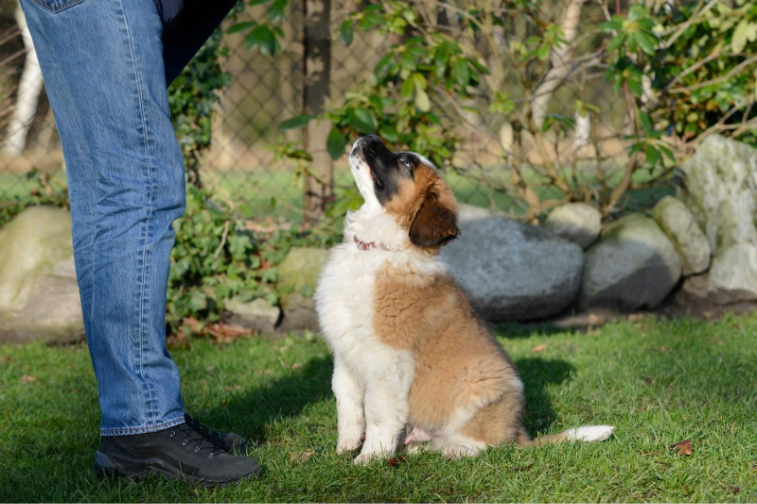
A giant with good manners moves through the world with awareness; without them, even simple errands feel like a logistical nightmare. The fix is early, kind training that teaches your dog how to succeed at their size. Keep to the basics, and you’ll turn 120 pounds into a polite shadow.
Leash Skills
Start with the walk. Leash skills are priority one because leverage multiplies with every pound. Fit comfortable equipment, then pay generously for the picture you want: a loose leash, a shoulder near your hip, brief check-ins as you change pace or turn. Keep sessions short, end on a win, and practice in easy places before you ask for the same behavior on a busy street.
Doorways & Greetings
Next, tame the thresholds. Doorways magnify momentum, so teach a simple pause-and-release: stop before the door, make eye contact, then step through together. The same ritual at car doors, elevators, and narrow halls turns chaos into choreography.
For greetings, the goal is for them to keep all four paws on the floor. Leaning and jumping can feel harmless at eight weeks but become problematic at eighty pounds. Work with them on a simple cue, such as sitting or a brief hand target, and release to greet when appropriate.
The Off Switch
Give your giant an “off switch” you can carry anywhere. A settle-on-a-mat tells your dog exactly what to do while you chat with a neighbor, sit on a patio, or wait at the vet. Start at home, reward relaxed postures, then bring the mat into low-distraction public spaces and build from there.
Relaxed Handling
Finally, work on creating a handling routine. Touch feet, ears, shoulders, and harness clips while pairing each with calm rewards. That way, nail trims, ear checks, towels, and gear on/off stay easy at scale.
Short sessions, high-value rewards, and a sense of humor will go a long way. Teach the picture you want, reinforce it often, and your big dog will move through tight spaces and crowded days like a pro.
Life at Large: Big Dog, Bigger Heart
Life with a large dog is about planning for scale, both in size and companionship. Instead of being in a constant battle with their size, focus on setting up small systems that make life easier for both of you.
When you maintain routines and consistent care they can rely on, you’ll get what big-dog people love most: a calm, gentle presence that takes up more square footage but somehow makes the whole house feel lighter.
Any health or medical information in ElleVet blogs is from a variety of public and reputable sources. This information is intended as an educational resource only and is not a substitute for expert professional care.