Reviewed by: Dr. Robert Menardi, DVM
It’s not uncommon for dogs to act a little differently when night falls. They might pace the hallway, hesitate at the back door, or stick closer to you than usual once the lights are off. As pet parents, these behaviors can feel out of character or concerning, especially if your dog is content and calm during the day.
Nighttime can introduce new triggers like shadows, sounds, or even changes in routine that affect how dogs feel in their environment. While it’s easy to assume they’re afraid of the dark, the reality is a bit more complex.
Can Dogs Really Be Afraid of the Dark?
Technically, dogs aren’t afraid of the dark in the same way humans might be. But they can absolutely feel nervous or uneasy when the lights go out. For most dogs, it’s not the darkness itself that causes stress, but what comes with it. Reduced visibility, less activity in the home, and the change in routine can all contribute to restlessness after sunset.
At night, the world around your dog becomes quieter and less predictable. If they’re used to following your daily movements and cues, the drop in stimulation can feel unsettling. Dogs thrive on routine and familiarity, so when the environment changes and visual cues disappear, it can lead to confusion or unease. In that sense, the dark becomes a backdrop for uncertainty, rather than the source of fear itself.
Why Is My Dog Scared at Night?
Nighttime can be full of unknowns for your dog. If they’re used to a busy household during the day, the quiet of night might feel strange or even isolating. Some dogs dislike being left alone in the dark because it means separation from their people. Others may be reacting to past experiences, like being crated in dark spaces or left alone for long stretches.
In some cases, dogs associate nighttime with negative or stressful experiences. For example, if your dog experienced thunderstorms, fireworks, or a traumatic event during nighttime hours, they may carry that association forward. Even subtle changes like a shift in furniture, a new baby in the house, or the loss of a pet companion can disrupt your dog’s sense of safety after dark. Age can also play a role. Older dogs might develop vision or hearing changes that make it harder to navigate or feel safe at night.
And of course, sounds from outside, shifting shadows, or a change in sleeping arrangements can all be enough to throw your dog off. Their senses are heightened in quiet environments, and even small movements or distant noises may feel more intense or alarming.
How Do Dogs See in the Dark?
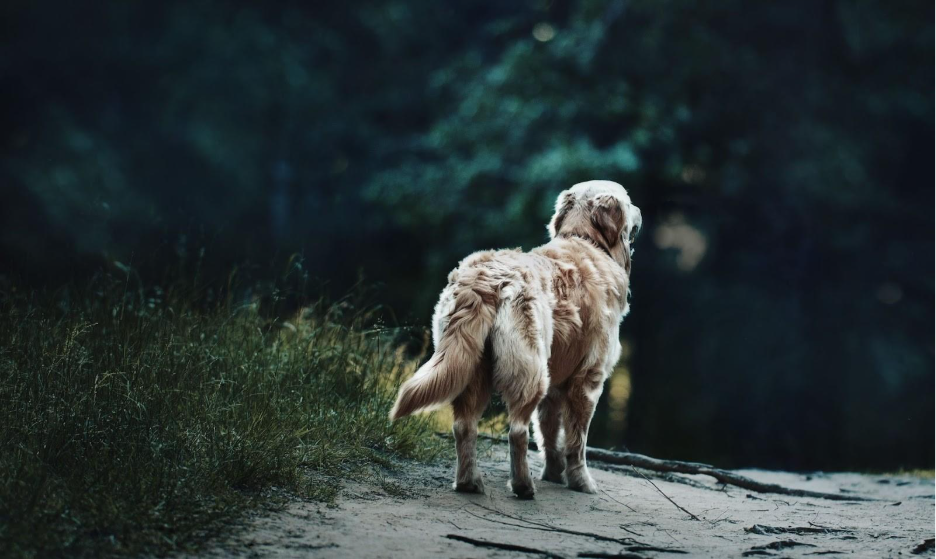
Dogs actually see better in the dark than we do. Their eyes have more light-sensitive cells, which help them detect movement and shapes in low light. They also have a reflective layer behind the retina called the tapetum lucidum, which improves their ability to see in dim lighting. According to Nylabone, this structure reflects light back through the retina, giving dogs a kind of second chance to detect it. This is one reason their eyes often appear to glow in the dark.
However, night vision isn’t the same as full clarity. In total darkness, dogs still rely heavily on memory, scent, and sound to move through their space. This means that if their surroundings change or they’re in an unfamiliar environment, they may feel disoriented despite their ability to see in low light. It’s one reason dogs may hesitate to explore or go outside at night, especially if they don’t have a consistent path to follow.
It’s also worth noting that while dogs can detect shapes and movement well in the dark, they may struggle with identifying specific objects or navigating tight spaces. Low vision combined with noise sensitivity or confusion can create a perfect storm for nighttime stress, especially if your dog is already prone to nervous behaviors.
Signs Your Dog Might Be Struggling at Night
You might notice your dog barking more than usual at night, becoming unusually alert, or pacing and refusing to lie down. Other dogs may cling to you at bedtime or try to avoid going outside after sunset.
Changes in body language are also key indicators. If your dog tucks their tail, flattens their ears, or seems unusually still, they could be feeling stressed. You might also notice them following you from room to room, seeking constant reassurance, or hiding in corners of the house. These behaviors tend to intensify during the evening and often fade during daylight hours.
If your dog’s sleep schedule changes or they seem unable to rest through the night, that could also point to underlying stress. Restlessness, frequent waking, or an unwillingness to go into certain rooms after dark can all signal that your dog is uncomfortable when the lights go out.
What You Can Do to Help
There are a few ways to make nighttime feel easier for your dog. Keeping your dog’s bedtime routine consistent can go a long way. Try to keep feeding, walking, and wind-down time predictable. Dogs tend to feel more secure when they know what’s coming next.
If your dog seems nervous in the dark, consider leaving on a dim night light or a low-level lamp in areas they frequent. Soft lighting can make it easier for them to navigate and feel anchored in their space. Some dogs find comfort in familiar background noise, such as a white noise machine or calming music, which can help mask unfamiliar sounds from outside.
Avoid moving furniture or changing their sleeping spot without giving them time to adjust. If you need to make a change, ease into it gradually so they can re-establish familiarity. Some dogs feel better sleeping near their people, especially if they’re recovering from a big change like moving or a new addition to the family. Comfort items like blankets or a favorite toy can also make a big difference.
And if your dog is having trouble adjusting, talk with your vet. There could be an underlying reason worth exploring, and they can help you rule out medical issues or offer behavior-related advice tailored to your dog’s needs.
Support Beyond Routine Changes
Helping your dog feel more relaxed at night sometimes takes more than routine alone. Supplements that support emotional balance and calmness may offer added help. CBD Chews for Dogs may help promote relaxation and support your dog’s overall wellbeing. They may also support comfort and calm during times of occasional stress. These chews are formulated with ElleVet’s veterinarian-trusted CBD + CBDA. This added layer of support can promote a sense of calm in the evenings.
Keep in mind that not every supplement works the same way for every dog. It’s important to talk with your veterinarian before introducing something new. They can help guide you toward the most appropriate options and ensure that it fits with your dog’s overall care plan.
Still Worried? Let Your Vet Be Your Guide
It can be tough to see your dog stressed or uneasy at night. But figuring out what’s going on doesn’t have to be a guessing game. Your veterinarian can help you sort through potential causes and make sure nothing medical is contributing to your dog’s nighttime discomfort.
Having a professional on board ensures you aren’t overlooking something important. Your vet may also refer you to a veterinary behaviorist or offer techniques for managing fear-based behavior.
Whether it’s adjusting their environment or exploring new ways to support their emotional balance, your vet can be a valuable resource. Sometimes just having a conversation with your vet and tracking your dog’s behavior over time can lead to a clearer picture and a more effective plan.
Helping Your Dog Feel Safe at Night
Nighttime fear in dogs isn’t unusual, and it doesn’t mean your dog is overly sensitive or hard to manage. It just means they need a little extra support to feel secure once the lights go out. With some patience, a stable routine, and the right guidance, most dogs can learn to feel safe and settled at night.
Every dog is different. What works for one may not work for another. But as long as you’re tuning in to your dog’s needs, asking questions, and making small adjustments, you’re already doing a lot. You understand your dog better than anyone, and the attention you give them plays a big role in helping them feel secure. Their comfort starts with you.
Any health or medical information in ElleVet blogs is from a variety of public and reputable sources. This information is intended as an educational resource only and is not a substitute for expert professional care.