Reviewed by: Dr. David Tittle, BVetMed, CertVA, GPCert (WVA&CPM), MRCVS
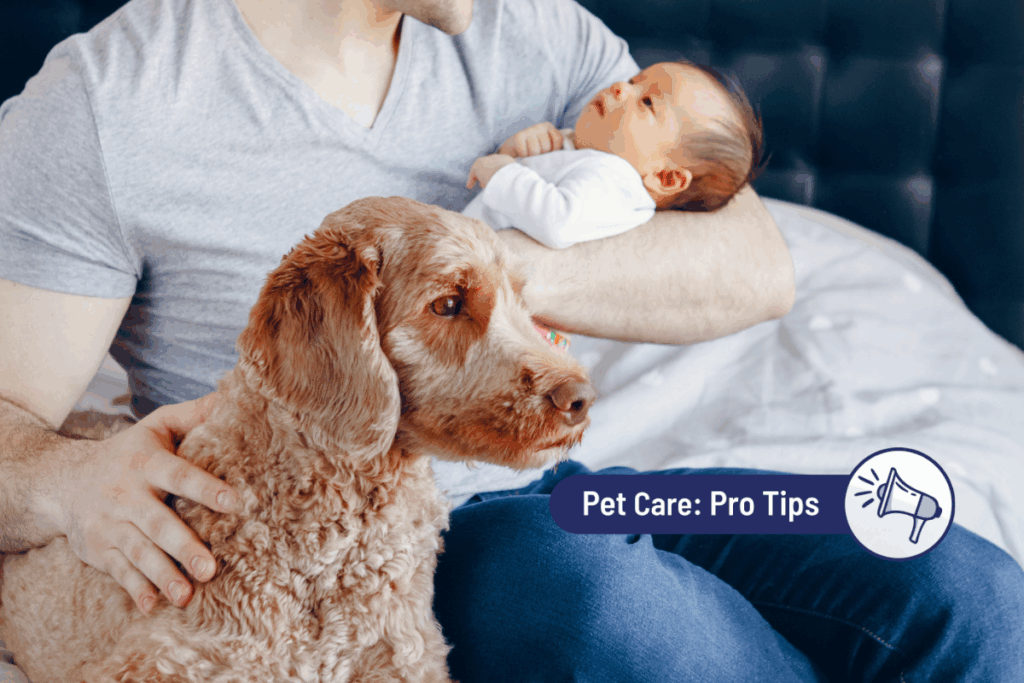
Bringing home a new baby changes just about everything, including life for your dog. While you’re stocking up on onesies and figuring out feeding schedules, your dog is trying to make sense of all the changes. New smells, new sounds, and a shift in their usual routine can be a lot to take in.
For many families, the idea of introducing their dog to a new baby brings a mix of joy and nervousness. Will your dog be gentle? Can they adjust to all the noise and new rules? Will they feel left out?
The good news is that with a bit of planning, patience, and empathy, your dog can learn to coexist peacefully—and even bond—with your newest family member.
How to Help Your Dog Get Ready Before Baby Comes
The best time to start preparing your dog is long before the baby arrives. The earlier you begin, the more time your dog has to adjust to new routines and expectations.
Start by gradually introducing the sights, sounds, and smells that will soon become part of daily life. Let your dog sniff baby lotions and spend some quiet time near the nursery. You can also play short recordings of baby cries to help them become accustomed to the sounds in a calm and positive way. Pair these experiences with praise and their favorite treat to help them associate the changes with something positive and familiar.
If there are areas that will become off-limits, such as the baby’s room or specific furniture, begin reinforcing those boundaries early. Try walking your dog near the stroller or crib so it feels familiar. If you plan to use baby gates or a crate more often, start getting them used to those changes now.
Most importantly, begin reinforcing calm behavior. Basic commands like “go to your bed,” “wait,” or “leave it” can become incredibly useful when your hands are full and your dog is curious.
Bringing Baby Home: First Impressions Matter
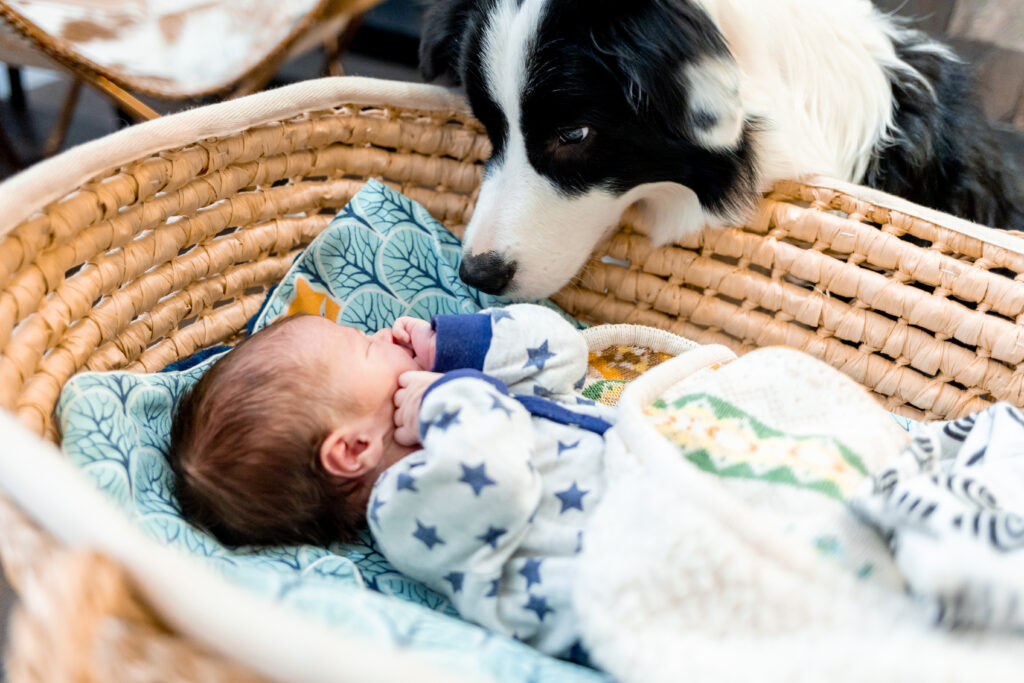
The first meeting between your dog and baby can set the tone for their future relationship. That doesn’t mean it has to be perfect, just thoughtful and calm.
Before the initial introduction, give your dog a chance to burn off energy with a walk or some light play. When you come home from the hospital, greet your dog without the baby at first, especially if it’s been a few days. This gives them time to reconnect with you and settle down before meeting the baby. It’s likely they will pick up on the new smells, too.
When it’s time for that first introduction, have a second adult present if possible. Start by keeping your dog leashed but relaxed. Allow them to observe from a slight distance at first. Watch their body language closely. Soft eyes and ears, a wagging tail, or a gentle sniff are good indicators that they’re curious but relaxed. If your dog seems unsure or overstimulated, it’s okay to pause and try again later.
Don’t rush the process or force interaction. The goal isn’t for your dog to fall instantly in love; rather, it’s to keep things relaxed and positive for both your dog and your new baby.
Daily Life with Baby and Dog
Life gets busier once the baby comes home, and your dog will definitely pick up on those changes. The key is to keep their routine as stable as possible. Feed them at their regular times, maintain their walks (even if shorter), and find little ways to help keep them calm and mentally engaged.
It also helps to have baby-free zones where your dog can relax and take a break when things get hectic. Likewise, set clear boundaries for areas where your dog needs to be invited or supervised, like near the changing table or crib.
Make sure your dog still gets positive attention throughout the day. Even simple moments, like asking for a “sit” before giving a belly rub, can help reinforce structure and keep your dog feeling included. If visitors come over to meet the baby, prepare your dog for the extra excitement or give them a comfy spot to relax away from the action.
Signs Your Dog Might Need Extra Support
Even the most adaptable dogs can struggle adjusting to all the new sounds, smells, and routine changes. Keep an eye out for these signs that could signal that your dog may be feeling overwhelmed and needs extra support:
- Excessive pacing, excessive barking, or whining
- Hiding or being excessively clingy
- Ignoring commands they usually follow
- Accidents in the house
- Sudden destructive behaviors, like chewing furniture
If you’re noticing these behavioral shifts, you may consider additional ways to help them feel more secure during this transition.
One of the simplest ways to support them is through calming enrichment. Activities such as lick mats, puzzle feeders, or long-lasting chews can provide relaxing stimulation and help redirect nervous energy. For more sensitive pups, calming aids like pheromone diffusers may offer a little extra comfort.
Some families also explore veterinarian trusted CBD for dogs as a way to help support relaxation and emotional balance. If you’re curious about whether CBD might be a good fit for your dog, speak with your veterinarian for personalized guidance.
It may take some time to find a new normal that works for them, but these little touches can make a big difference in helping your dog feel grounded while their world shifts around them.
Building Trust Between Your Dog and Your Baby
Your dog doesn’t need to “love” the baby on day one, but you can help them associate the baby with positive experiences. One way to do that is by rewarding calm behavior around the baby. If your dog lies quietly while you’re nursing or gently sniffs a baby blanket, offer a bit of your attention or a special treat.
You can also involve your dog in low-pressure ways. Ask them to bring you a blanket, sit beside you during feedings, or relax nearby while you’re spending time on the floor with your baby. As long as interactions are calm and supervised, this kind of participation helps your dog feel included, not displaced.
Over time, these positive associations build trust and comfort.
Keeping Baby-and-Dog Moments Safe
Even if your dog has a calm temperament, every interaction between a dog and baby should be actively supervised. No exceptions. Babies are unpredictable. They squeal, kick, grab fur, and move in ways that can startle even the most gentle dogs. Supervision helps prevent problems and sets your dog and baby up for successful, stress-free experiences.
Start by managing the space. Use baby gates or playpens to create clear boundaries between your dog and baby during active play or floor time. When your dog is near the baby, keep the energy calm and pay close attention to their body language. Subtle signs like lip- licking, yawning, or turning away can indicate your dog is feeling tense or overstimulated.
Keep early interactions short and positive. Let your dog observe the baby and reward calm behavior. If your dog chooses to walk away, that’s okay. Giving them permission to disengage teaches them they’re not “trapped”. They can choose when they’re ready to engage.
Supervision means being present, not just being in the room. Put your phone down, stay alert, and be ready to intervene gently if needed. Over time, with consistency and patience, your dog will learn what’s expected, and your baby will grow up with a calm, respectful companion by their side.
What to Expect as Your Baby Grows
The dynamic between your dog and your child won’t stay static. Babies change fast. What starts with quiet naps and feedings can quickly shift into crawling and loud bursts of energy. These milestones are exciting for you, but they can feel confusing or even overwhelming for your dog. Further, dogs are often older and frailer when a baby arrives in the household, so may be especially apprehensive when faced with energetic toddlers.
Crawling is often the first challenge. To your dog, a crawling baby might move in unfamiliar and unpredictable ways, which can be confusing or startling at first. Some dogs will trail closely behind the crawling babe, sniffing or watching with interest. Others might retreat to a quiet corner, feeling unsure or overwhelmed by the sudden movement. Keep a buffer zone between your baby and dog during these early stages and always supervise closely. If your dog looks uncomfortable, give them space to retreat.
As your baby begins to walk and interact more directly, start modeling gentle behavior early. Teach your child to respect your dog’s space. No ear pulling, grabbing, or rough handling. Babies and toddlers don’t naturally understand boundaries, so it’s your job to guide them. Narrate interactions, saying things like “we pet gently” or “let’s give the doggie space while he’s eating”.
It’s also important to reinforce your dog’s “off duty” spaces. Whether that’s a crate, a bed in another room, or a corner they’ve claimed as their own, make sure your child knows this is a place for your dog to relax undisturbed.
Throughout this process, make sure your dog is getting enough daily exercise and mental stimulation. As family life becomes more chaotic, it’s easy to overlook your dog’s routine. Consistency will help them feel secure, which makes it easier for them to adapt to the changes happening around them.
The goal is to teach respectful coexistence and slowly build a relationship of trust. As your baby grows, your dog will begin to understand this tiny human is part of the family. With gentle guidance, your pup and baby can build a sweet and lasting connection.
Building a Beautiful Bond Between Baby and Dog
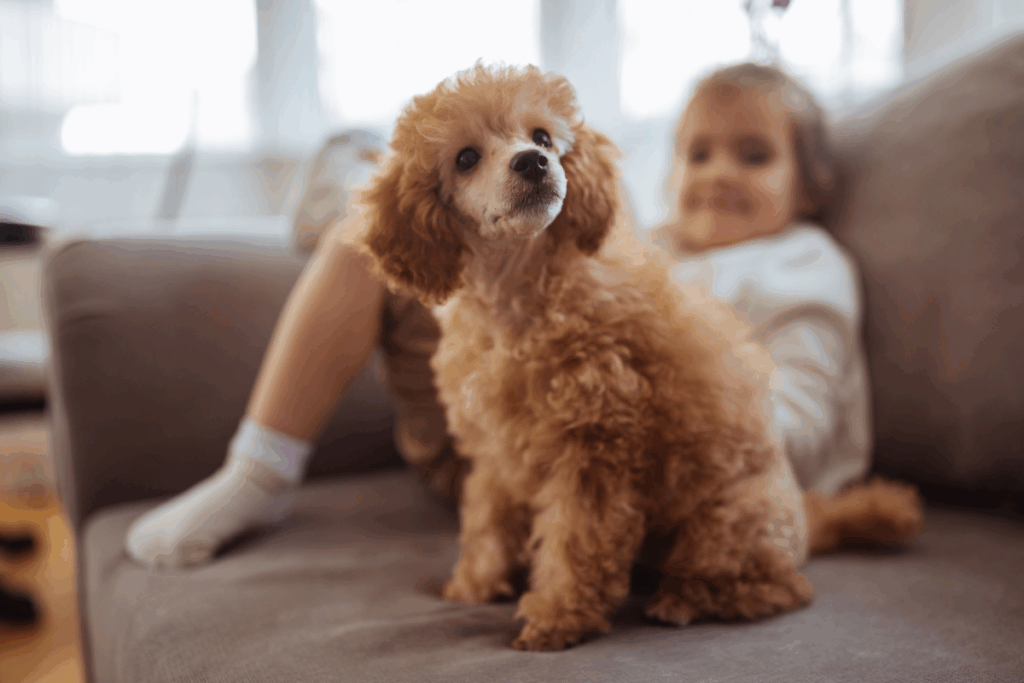
It takes time, patience, and plenty of practice, but dogs and babies can build an incredible bond. Some dogs grow into gentle protectors. Others become goofy companions for toddler adventures. And in many cases, they become an irreplaceable part of each other’s worlds.
Keep the transitions gradual, set clear expectations, and don’t forget to care for your dog’s emotional needs along the way. A little preparation now can lead to years of trust, love, and tail wags.
Any health or medical information in ElleVet blogs is from a variety of public and reputable sources. This information is intended as an educational resource only and is not a substitute for expert professional care.