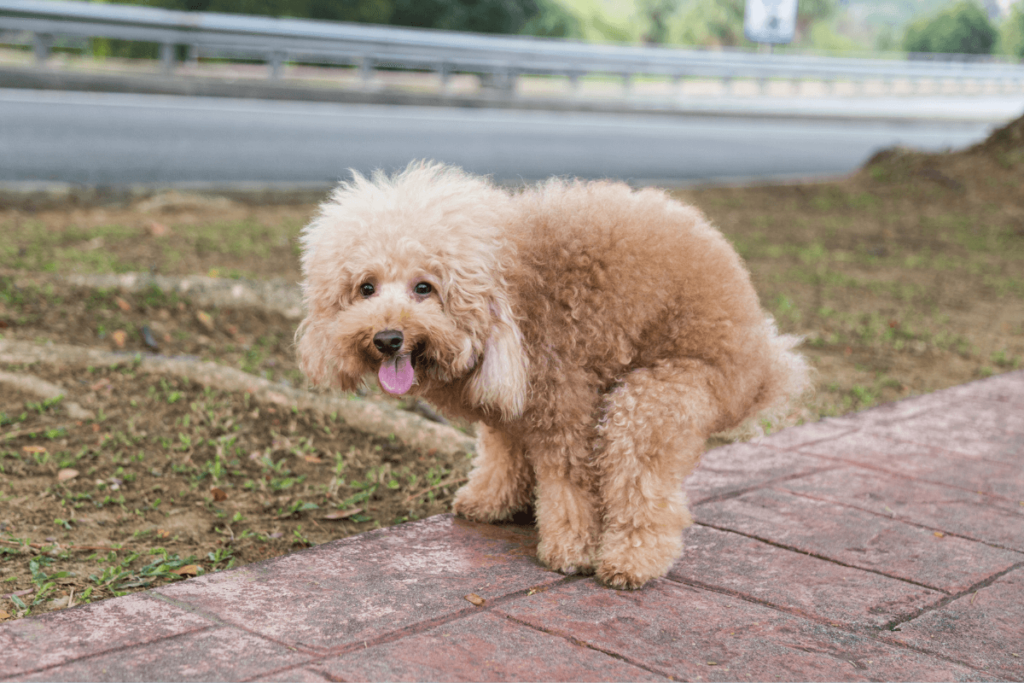
Problems with your pup’s rear end aren’t the most pleasant subjects to discuss, but it is important to know what’s going on back there if your fur friend is in pain or has physical changes under the tail. You might notice excess licking, scooting, redness, bleeding, or swelling around your dog’s anus. Since we tend to see our dogs as being similar to ourselves, a reasonable thought would be that the dog is suffering from hemorrhoids. Hemorrhoids are swollen veins inside or outside of the rectum. They can lead to painful itching or discomfort, swelling, or bleeding. They are typically caused by extra pressure in the area, which can be a result of pregnancy or constipation.
Because a dog’s body is horizontal rather than vertical like a human’s, their gastrointestinal tracts do not cause pressure to build on these veins. This means it is very unlikely that your dog has actual hemorrhoids, but any bleeding, protrusions, or discomfort around the anus might indicate a serious condition and is certainly cause for a visit to your trusted veterinarian.
Table of contents:
- What Are Dog Anal Glands and Why Do They Matter?
- When Your Dog’s Backside Sends a Red Flag
- If not hemorrhoids, what could it be?
- How to Support Anal Gland Health at Home
- What to Remember About Rear-End Issues in Dogs
What Are Dog Anal Glands and Why Do They Matter?
Anal glands, also called anal sacs, are two small scent glands located just inside your dog’s anus, one on each side. These glands produce a strong-smelling, oily secretion used for communication. Basically a canine calling card. That’s why dogs are so interested in sniffing each other’s behinds.
Normally, the glands empty during a bowel movement as firm stool passes by. But if your dog’s stools are too soft or they have irregular digestion, those glands might not empty properly. When fluid builds up, the glands can become swollen, impacted, or even infected, leading to discomfort and irritation.
If left untreated, anal gland issues can turn painful fast. Some dogs may need regular manual expression by a vet or trained groomer to stay comfortable. Recognizing the signs early and talking to your veterinarian is the best way to manage and prevent recurring problems.
When Your Dog’s Backside Sends a Red Flag
Anal issues can be uncomfortable, messy, and sometimes easy to miss, especially if your dog isn’t one to complain. But certain signs tend to show up when something’s not right back there.
Keep an eye out for:
- Scooting across the floor
- Excessive licking or biting at the base of the tail or anus
- Swelling around the anal area
- Visible discomfort when sitting or defecating
- Straining to poop or passing small, frequent stools
- Blood or discharge near the anus or in the stool
These symptoms don’t always point to the same issue. Mild scooting might mean full anal glands, while swelling or bleeding could indicate something more serious, like a perianal hernia or infected sac. If your dog is showing more than one of these signs, it’s worth checking in with your vet. Early attention often prevents more complicated problems later.
If not hemorrhoids, what could it be?
There are a number of reasons why your dog might be experiencing anal discomfort.
Anal sac disease:
The most common cause of anal swelling and discomfort in dogs is anal sac disease, where the anal sacs become clogged or infected. All dogs have two pouches on the sides of their anus containing the anal glands. These glands secrete a smelly fluid that helps mark their territory and offers other dogs information about them. Dogs are getting this information when they sniff each others’ rear ends as a greeting. Firm stools clear the glands as they pass out of the dog. However, a dog that has loose, watery stool might not be able to adequately express the fluid from these sacs, which could lead to infection. If a dog is suffering from anal sac disease, they might bite at their rear end, scootch across the carpet, or excessively lick their anus. These behaviors can damage the delicate tissue and cause further problems. Small breeds such as Lhasa Apsos, toy poodles, chihuahuas, and Cavalier King Charles spaniels are more susceptible to anal sac disease.
If you suspect this is the cause of your dog’s discomfort, changing their diet to include foods with more fiber, such as canned pumpkin, could help bulk their stool to allow the glands to express naturally. If your dog has signs of infection, such as discharge or pus, low energy or fever, a vet should be consulted, and the glands might have to be expressed manually.
Perianal fistula:
These are chronic, foul-smelling wounds that found in and around the dog’s anus. Their direct cause is unknown, but they could be a result of fecal matter and secretions irritating the hair and skin around the anus. They are seen to happen more frequently to dogs with skin problems and/ or immune system deficiencies, and German Shepherds and older dogs are more commonly seen with them. Dogs might react to these wounds with a loss of appetite, difficulty or avoidance of passing stool, a change in temperament, or biting and licking the affected area.
There are a few medical treatments available, in addition to stool softeners and antibiotics. Dogs with infections that do not respond to these measures might be candidates for surgery. Veterinary consultation is important throughout your dog’s treatment.
Perianal hernia:
Often mistaken for an external hemorrhoid, a perianal hernia occurs when an internal organ passes through a weak spot in the intestine or muscle near the dog’s anus. This results in a swelling below and to the side of the anus. While it can occur on both sides, the majority are found on the right side only. These hernias are seen most often in unneutered middle-aged males, and the breeds more frequently affected are corgis, Boston terriers, collies, kelpies, dachshunds, Old English sheepdogs, and Pekingese.
Typical symptoms of a perianal hernia are swelling around the anus, difficulty and straining to empty their bowels, and pain when passing stool. These hernias become dangerous if they impact the dog’s ability to urinate, and they should immediately be seen by a veterinarian. They might recommend surgery to correct the hernia, but there is about a 50% chance of recurrence even after surgery.
Prolapsed rectum:
This is a very rare condition where part of the rectum emerges from the anus. It looks like a cylinder protruding from the dog’s anus. Young dogs who have to strain to empty their bowels or have serious and long-lasting diarrhea are more likely to suffer from prolapse. A veterinarian should always examine a dog with anything protruding from the anus. The vet will try to determine and correct the cause of the prolapse and will make sure it is replaced and repaired.
Anal masses and polyps:
Polyps (small growths that are usually benign and are rare in dogs) and tumors (which can be benign or cancerous) might also be mistaken for hemorrhoids in dogs. Straining or painful defecation, blood in the stool, or diarrhea are common symptoms. Cavalier King Charles spaniels, cocker spaniels, German shepherds, and springer spaniels are more likely to get tumors of the anal area. Tumors of the anus are more common in unneutered males, and neutering them often causes benign masses to disappear. For other dogs, or those who have been found to have cancerous tumors, surgery is usually required.
How to Support Anal Gland Health at Home
When it comes to dog anal glands, a little prevention can go a long way. While you can’t always avoid problems entirely, there are a few things you can do at home to support your dog’s comfort and reduce the chances of impaction or infection.
Diet is a big one. Dogs with firm, well-formed stools are more likely to naturally express their glands when they go to the bathroom. Adding fiber-rich ingredients like plain canned pumpkin (not the spiced pie filling) or fiber supplements can help improve stool quality. A high-quality, balanced diet also supports digestive health overall, which plays a major role in how the glands function.
Regular exercise and hydration matter, too. Physical movement helps with digestion and circulation, while staying hydrated keeps things moving smoothly in the gut. A sedentary lifestyle or chronic dehydration can contribute to ongoing stool issues, which may lead to anal gland trouble over time.
In some cases, routine manual expression may be necessary. You can schedule an appointment with your vet or local groomer for anal gland expression. Some dogs also get stressed or uncomfortable during this process. For dogs who experience stress related to vet visits or visits to the groomer, some pet parents explore veterinarian-trusted supplements like CBD for Dogs to help promote calm and ease during appointments. As always, it’s best to talk with your vet before introducing anything new to your dog’s routine.
By supporting your dog’s digestive health and keeping an eye on their bathroom habits, you can help keep their back end in better shape, and save everyone a lot of discomfort in the process.
What to Remember About Anal Gland Issues in Dogs
While it is unlikely that your dog is suffering from hemorrhoids, if you ever see them straining or in obvious pain from a bowel movement, find blood in the stools, or see them licking, chewing, or otherwise worrying their rear end, it could be a sign of a problem that needs to be quickly addressed by your veterinarian. It is not a good idea to use a medicated cream like Preparation H that is formulated for humans, unless it is recommended by your veterinarian. With quick attention to whatever is causing pain or discomfort to your best fur friend’s rear end, you can be sure that they will be back to their usually happy self as soon as possible.
Sources:
https://www.akc.org/expert-advice/health/can-dogs-get-hemorrhoids/