Reviewed by: Dr. David Tittle, BVetMed, CertVA, GPCert(WVA&CPM), MRCVS
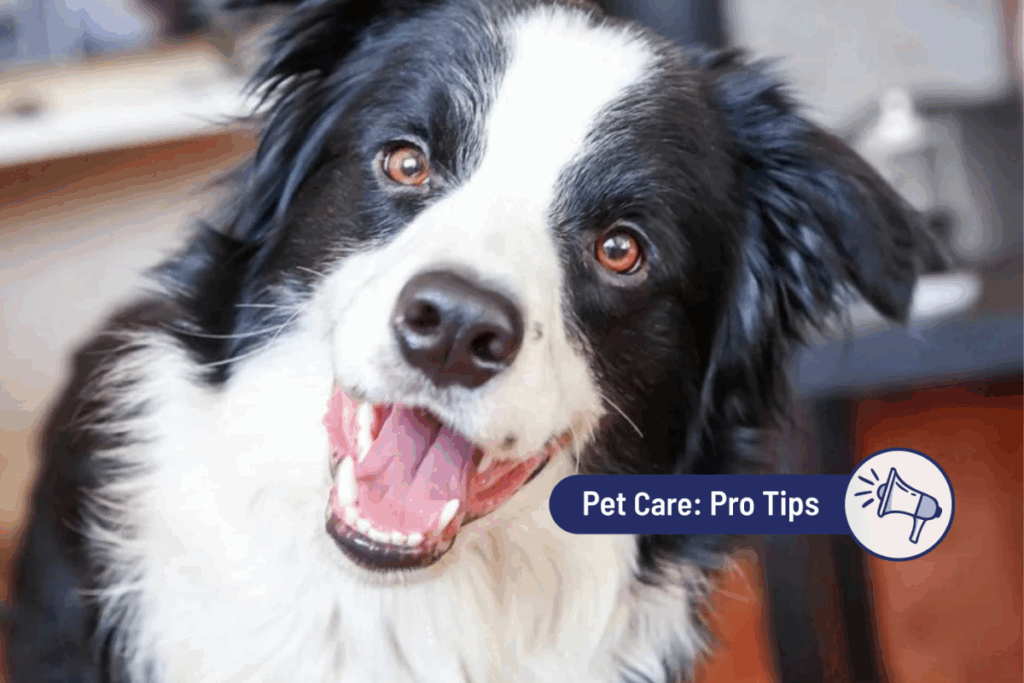
Who doesn’t love when their dog looks up at them with those big puppy dog eyes? Even when they’re begging, something about their eyes just melts us as pet parents.
The next time you’re staring at your dog lovingly, pay attention to more than just what they’re trying to convey. Dog eyelid styes and other eye-related problems are usually benign but can present quality-of-life issues if left untreated.
Like humans, dogs can experience eye irritation, swelling, and gland blockages that lead to noticeable discomfort. These changes are often easy to spot if you know what to look for and catching them early can make a big difference in your pup’s comfort and recovery.
What Are Eyelid Styes?
A stye is a red bump that may appear on your dog’s eyelid, known medically as a hordeolum. Styes fall into the category of blepharitis, which just means the eyelid is “inflamed.” Inflammation of the eyelid can result from multiple causes, including generalized skin irritation or external irritants.
Things like dirt, dust, rough pawing at the face, or even a reaction to grooming products can spark this kind of irritation. Dogs with sensitive skin may be more prone to frequent flare-ups around the eyes.
However, inflammation of the eyelid’s glands is the most common culprit. There are three — the glands of Zeis and Moll on the outside and the Meibomian gland on the inside. These glands produce fluids like sweat, sebum (natural oil), and meibum, which are crucial for optimal eye health and safety.
When these glands become inflamed, they are less able to pump out those fluids, leading to a backup. Eventually, that fluid becomes visible under the skin as a red bump. Often, a hair follicle is involved, which may be blocking the gland’s ability to release fluid.
If left untreated or unmanaged, the swelling can worsen and even begin to impact the entire eyelid.
How Can You Tell if Your Dog Has a Stye?
The good news is that dog eyelid styes are easy to see, even by the untrained dog parent. By the time they have developed, they’ll look like a small red bump that appears on either the upper or lower eyelid. However, there are other signs that your dog may be working on a stye before those bumps appear.
Although our dogs can’t tell us they’re experiencing discomfort, we know from our own experience that styes can be uncomfortable. When the stye is manipulated, discomfort is one of the hallmark signs veterinarians look for when diagnosing the condition. Many dogs will rub or itch at their face before the stye shows up, and their eyelid may even appear to be swollen or “squinty.”
Be careful not to confuse a stye with another similarly looking eye condition known as cherry eye, which is a prolaps of the third eyelid. While they may both appear as red bumps, cherry eye is far more likely to require surgical treatment to treat. When in doubt, have it confirmed by your veterinarian.
How Can You Help Your Dog With an Eyelid Stye?
If your dog does develop a stye, what should you do about it? There are a few ways you can handle a dog eyelid stye, some of which you can try from the comfort of your own home.
Warm Compresses
A warm compress can often help support the signs of an eyelid stye, especially one that’s not infected or severe. However, not every dog is patient enough to let you hold a compress on their eye, so this may not be the best solution for everyone.
If you have a dog that will sit or lie still while you apply a warm compress, you only need to microwave a damp washcloth for a few minutes. Check the temp against your wrist before using it on your dog to ensure it isn’t too hot (you can easily burn your dog, especially in these more delicate areas). Then, use gentle pressure to hold the washcloth on your dog’s affected eye for a few minutes.
It may take a few days of warm compresses to see a difference in your dog’s stye, but many of them will resolve using this technique. If you’ve tried using warm compresses for a few days and your dog still seems uncomfortable, or the stye hasn’t gotten any smaller, contact your veterinarian.
Supportive Grooming
Keeping the area around your dog’s eyes clean and trimmed can make a noticeable difference in comfort during recovery. Long or unruly fur near the eyes can trap debris, rub against sensitive skin, and aggravate an existing stye. Gently brush away hair from the face and trim up longer strands that could cause friction while the eyelid heals. If you’re unsure or nervous about trimming near the eyes, a professional groomer or your veterinarian can help.
Use a soft, damp cloth to softly wipe away any crust or discharge that may accumulate throughout the day. This not only keeps the area clean but also prevents further blockage of the glands. Be sure to use pet-safe materials and avoid anything scented or harsh, as these can cause more harm than good.
Medication and Cleansing
Some dog eyelid styes may get infected, which requires a trip to your veterinarian to manage. Signs of a stye or eyelid infection may include eye discharge (especially if it’s green or yellow), fever, or significant swelling.
In these situations, there may also be damage to the eye itself which can be a serious problem if not handled appropriately. Your vet may want to stain the cornea with a fluorescein dye which can help diagnose abrasions or ulcers, and will need to be treated separately from any styes present.
Your dog may be prescribed medication if he/she is diagnosed with a stye. Stye medications are designed to help reduce swelling while preventing or treating any underlying infection.
However, using these medications can pose a problem, as most dogs aren’t fond of having their eyes touched. It can help to make medication admin into a game, rewarding them when they behave. You’d be surprised what dogs are willing to do if a high-incentive treat is up for grabs.
Here are a few other tips you can use to be effective at applying eye drops or eye ointment:
- Use a warm washcloth to remove debris or crust around the eye before using medication.
- Hold the medication in your dominant hand, and use your other hand to stabilize your dog’s head. It may help to have another person helping you.
- Using your thumb, pull down on your dog’s lower eyelid. You’ll want to form a “pouch” that can accept and keep the medication on the affected eye.
- When ready to apply the medication, hold it just above the eye. You don’t want to touch the bottle or tube directly to the eye as this can be an infection risk.
- Aim for the center of your dog’s eye and apply the amount of medication directed by your veterinarian.
- Let go of your dog and monitor them for a few minutes. It’s okay for them to blink their eyes, but don’t let them rub them on the carpet or with a paw. Not only will they rub the medication out of their eyes, but they may also injure their cornea.
Can Supplements Support Eye Health in Dogs?
While supplements won’t cure eyelid styes, some may help support your dog’s overall eye comfort and immune response. A healthy immune system plays a role in how well the body manages everyday irritation, especially in sensitive areas like the eyes.
Antioxidants like lutein, zeaxanthin, and vitamin E are often included in eye-support blends for dogs to help protect ocular tissues. Omega-3 fatty acids (found in fish oil) are also known to support skin and eye health by promoting a normal inflammatory response.
As always, be sure to check with your veterinarian before starting anything new.
Could Allergies Be Causing Your Dog’s Eyelid Irritation?
Allergies aren’t just a human thing. Dogs can react to pollen, dust, mold, and other environmental triggers, and those sensitivities often show up in their eyes. If your dog frequently squints, rubs their face, or has red, puffy eyelids, allergies could be part of the problem.
Airborne particles like pollen or household dust can cling to your dog’s fur and find their way into the eye area, especially in dogs with sensitive skin or seasonal flare-ups. That irritation can lead to inflammation, making the eyes more prone to styes or general discomfort.
Wiping down your dog’s face and coat with a damp cloth after walks can help, especially during allergy season. Regular grooming, frequent baths, and vacuuming can also reduce dander and allergens indoors. Using an air purifier with a HEPA filter may make a noticeable difference in your home’s air quality.
If your dog struggles with ongoing eye irritation, talk to your veterinarian. They can help pinpoint triggers and recommend strategies for comfort, whether that’s changes in environment, diet, or daily routine.
Tips to Help Prevent Eye Irritations in Dogs
In some cases, you can successfully prevent dog eyelid styes. Prevention techniques focus on avoiding anything that may irritate the eye, like managing any environmental allergies they may have and keeping them routinely groomed.
Simple daily habits can make a big difference. Try gently wiping around your dog’s eyes with a damp cloth to clear away tear stains, dirt, or crust that might block glands. For long-haired dogs, regular trims and cleanups around the eyes can reduce buildup and irritation.
We also recommend checking your dog over in more detail at least once a week. Make cuddle time into a physical exam by running your hands over your dog, looking for any unusual lumps or bumps. Check inside their ears, mouth, and around their eyes, too. Anything out of the ordinary should be checked by your veterinarian. It’s just one more way to keep your dog happy and healthy while still spending quality time together (plus, they’ll have no idea they’re being examined).
And if your pup enjoys the breeze with their head out the window, a quick rinse with vet-approved eyewash afterward can help flush out dust or pollen before it causes trouble.
When To Get Help
You should schedule an appointment with your veterinarian any time your dog is experiencing problems with their eyes. Although it may look okay on the surface, issues with your dog’s eyes (especially their cornea) can lead to permanent damage and even blindness. Plus, eye issues are often extremely uncomfortable, and none of us want our dogs to experience discomfort.
Regarding styes, we take the “better safe than sorry” approach. If your dog has never experienced one before, it’s always a good idea to have your veterinarian look at it and officially diagnose it.
On rare occasions, what first appears to be a stye may actually be an eyelid tumor. While these tumors are far more likely to be benign than malignant (cancerous), they should still be taken seriously.
Your dog may require a fine-needle aspirate or punch biopsy to rule out the possibility of cancer. Treatment will depend on biopsy results, as there are multiple forms of cancerous tumors that can impact the eye — sebaceous adenocarcinomas, histiocytomas, etc.
Another reason to seek help for your dog’s eyelid stye is its size. While most styes stay reasonably small, some can get so big that they must be surgically removed. Often, surgical removal is recommended if the stye is impairing your dog’s ability to see or causing irritation or other issues inside the eye. Your veterinarian can tell you if this course of treatment is recommended for your dog.
The Bottom Line
Dog eyelid styes are not only unsightly but can also cause discomfort. If you notice your dog has a red bump on their eyelid, don’t ignore it. While many of them can be resolved with warm compresses, some require a trip to your veterinarian and prescription eye medication to manage.
It’s crucial to always be vigilant with your dog’s eye health; after all, your beloved pet can’t speak up and tell you what’s bothering them. The unconditional love they give you in return will be well worth it.
Sources:
Conditions of the Eyelids and Ocular Adnexa in Dogs and Cats | VIN
Disorders of the Eyelids in Dogs – Dog Owners | Merck Veterinary Manual
Diagnosis and Treatment of Eyelid Tumors | TVP
Any health or medical information in ElleVet blogs is from a variety of public and reputable sources. This information is intended as an educational resource only and is not a substitute for expert professional care.