Reviewed by: Dr. David Tittle, BVetMed, CertVA, GPCert (WVA&CPM), MRCVS
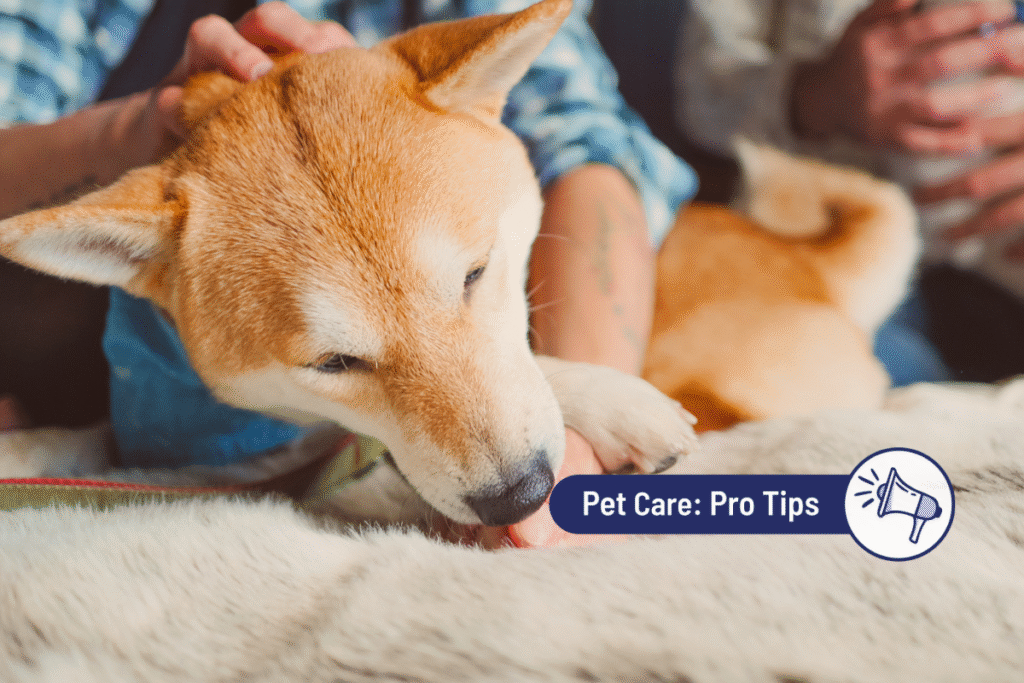
Occasional paw licking is normal for dogs as a part of their self-grooming process. You may see your dog lick their paws when they come inside after walking on dirty or sandy ground. But if your dog frequently and intensely licks their paws, this can be a sign that something is wrong.
Why do dogs lick their paws, and when should you be concerned? How can CBD + CBDA help address paw licking? Here’s what to know and how you can support your pup as a pet parent.
Table of contents
- Why do dogs lick their paws?
- When should you take your dog to the vet?
- How can you get your dog to stop licking their paws?
- Bottom line on paw licking
Why do dogs lick their paws?
There are many reasons why your dog may lick their paws aside from a quick post-walk grooming session.
- Paw Injuries – Your dog may suddenly start licking one of their paws due to an injury in that area, according to the Pet Health Network. They may have stepped on a piece of glass or broken a nail. Animal bites or insect stings can also cause discomfort, as well as paw pad burns from walking on hot pavements. If you notice your dog incessantly licking and limping or whining, they may be injured. It is important to examine between their toes and pads for redness, foreign objects, or signs of injury or irritation.
- Skin Irritation or Infection – Paw licking can be a sign of itchiness related to skin challenges. Experts from VetHelpDirect note that irritation and itching can occur as the result of environmental or food sensitivities, as well as infections from bacteria, yeast, or parasites. These irritations and infections can lead to discomfort and itching, so your dog licks, bites, and chews to seek relief. Keeping a bowl of water and a towel near the door to gently clean off your dog’s paws when you come inside can help prevent irritants and bacteria from building up and causing skin issues. Be sure to thoroughly dry your dog’s paws, however; moisture can cause further irritation and lead to worsening infection.
- Joint Discomfort – As your dog’s joint cartilage wears down due to age, injury, or an underlying challenge, their bones start rubbing together. Just like people might massage an uncomfortable joint, a dog might lick their paws to seek comfort. Your dog may also stop playing with their favorite toys or hesitate before climbing the stairs or hopping into the car. As joint cartilage deteriorates, discomfort may negatively affect your dog’s quality of life.
- Stress & Self Soothing – Incessantly repeated behaviors like paw licking, over-grooming, barking at shadows, and tail chasing can be rooted in stress. Similar to a human nervously biting their fingernails, your dog may lick their paws to self-soothe when left alone or riding in the car. Take note of when your dog licks their paws to see if you can identify any stress triggers.
When should you take your dog to the vet?
It is always better to be safe than sorry, especially when it comes to the health of your pet. If you notice your dog licking their paws more than usual, you should consult your veterinarian.
Unfortunately, persistent licking, biting, and chewing of the paws can lead to secondary problems. Excessive and constant moisture from your dog’s saliva can lead to bacterial infections, which make skin discomfort and itchiness even worse. As your dog continues to itch and lick their paws, they will likely become even more uncomfortable. Remember that a split or torn nail can be especially painful to your pooch.
How can you get your dog to stop licking their paws?
Your veterinarian can help address underlying issues if your dog is injured, has an infection, or is experiencing discomfort or stress. However, your dog’s itching and paw licking are unlikely to stop overnight. To get them to stop licking, you may need to consider:
- Redirect away from licking – We all know how hard it can be not to scratch when you have an itch. You may need to redirect your dog or keep them distracted so they don’t continue to lick their paws and cause further irritation. Puzzle and chew toys, snuffle mats, and Kongs stuffed with treats and hidden around the house are all great ways to keep your dog busy and distracted.
- Deter licking – You may need to discourage your dog from licking their paws by making the experience unpleasant or impossible. Consider applying a bitter-tasting, pet-safe topical product to their paws. Ask your veterinarian if booties or socks would help deter licking. In some cases, your dog may need an Elizabethan collar, to prevent their licking worsening the problem.
Bottom line on paw licking
While occasional paw licking is a normal form of self-grooming for dogs, excessive licking can signal an underlying issue. Whether the cause is injury, infection, joint discomfort, or stress, addressing the root cause is the most effective way to help your dog and prevent more serious secondary challenges from developing. Consult your veterinarian if your dog is excessively licking their paws.
Any health or medical information in ElleVet blogs is from a variety of public and reputable sources. This information is intended as an educational resource only and is not a substitute for expert professional care.