Reviewed by: Dr. David Tittle, BVetMed, CertVA, GPCert (WVA&CPM), MRCVS
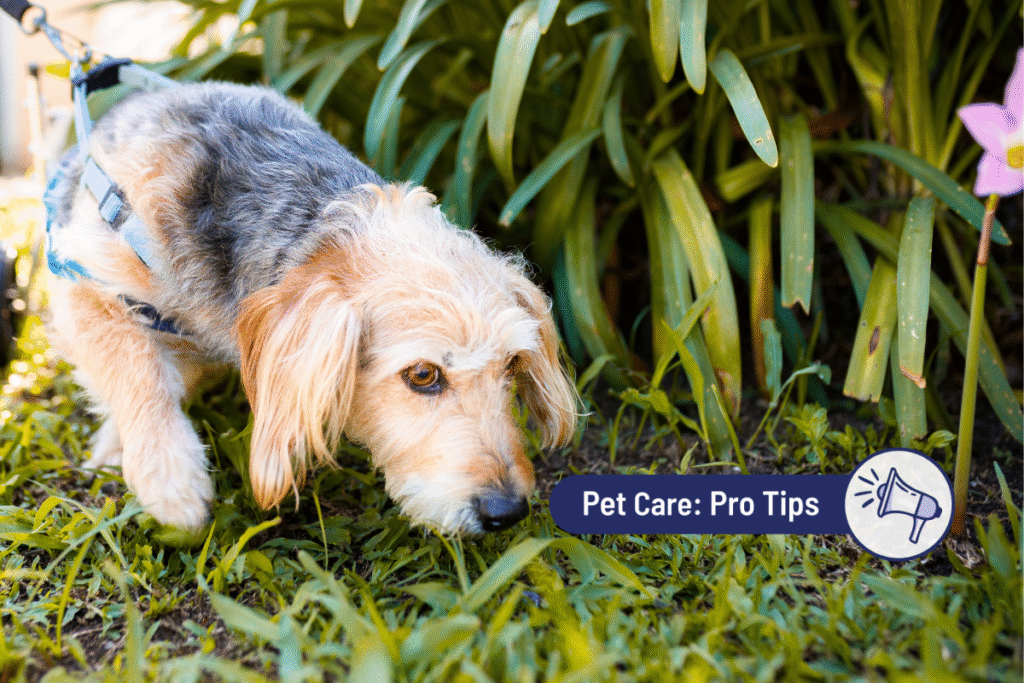
They drink from the toilet, roll in mud, and stick their noses under the tail of every dog they meet. Our pups are gross, but of all the disgusting habits our canine companions have, eating poop takes the cake. Pet parents far and wide hate their dog’s tendency to eat stool, whether it be their own or that of another dog or animal.
Coprophagia, the scientific term for feces eating, is a common phenomenon among dogs. It has both behavioral and physiological reasons behind it. Our pets seem entirely clueless to how foul this is, so how can we get them to ditch the habit? While they’re still hunting out stinky snacks in the backyard, should we worry?
Table of contents
- Why is your pooch feasting on feces?
- Should you be worried about your pup eating poop?
- How to discourage “stool sampling”
- Helping your dog stop eating poop
Why is your pooch feasting on feces?
There are several possible explanations for why your pooch is obsessed with eating poop. Understanding these reasons helps pet parents address any potential underlying issues and get their pup to kick the yucky habit.
Instinct
As a species, dogs evolved as scavengers, eating whatever they were able to find. Even as our domesticated pets, some pups still have an instinctive urge to eat anything that may offer them nutrients. This may explain why your canine companion eats feces. This survival behavior helped their ancestors fend off starvation when food was scarce.
Getting rid of waste by eating it is also a way for wild dogs to cover their tracks (or scents) when it comes to avoiding predators. Pet owners of multi-dog households in which one pup is either sick or aging may witness the healthy dog eating the poop of the weaker dog. Experts from the American Kennel Club (AKC) hypothesize that this may be related to an instinct to protect the pack from potential harm.
Beyond scavenging, there’s also an evolutionary hygiene factor. Research suggests that in wild dog packs, eating fresh feces, usually those less than two days old, helps keep dens clean and reduces the chance of parasite infestation.
Studies from the University of California Davis link this behavior to den hygiene, showing that consuming stool could prevent the buildup of intestinal parasite eggs that might otherwise linger in the environment. By removing potentially contaminated waste, dogs were instinctively protecting themselves and the rest of the pack.
What seems like a baffling or even disgusting habit in our modern pets may have once been a necessary survival strategy. In the wild, it served a practical purpose beyond food, keeping their living area clean and reducing disease risks for the entire group.
Moms and pups
It’s fairly common for mother dogs to keep their puppies and living space clean during the first few weeks after birth by eating the puppies’ stool. According to veterinarians at VCA Animal Hospitals, puppies often learn this feces-eating behavior from their mom. They can develop a habit that may follow them out of puppyhood. Seemingly mimicking the behavior of their mother, puppies are naturally likely to eat their own poop (autocoprophagia). They may also eat poop from other dogs (allocoprophagia) as well as poop from other animals.
Just like human babies and young children, a primary way puppies explore and learn about the world around them is by putting stuff in their mouth regardless of whether or not it’s edible. Coprophagia in puppies is part of the early development process, notes AKC. Fortunately, most puppies will grow out of this behavior over time.
Dietary deficiencies
VCA Animal Hospitals notes that any medical problem that leads to a decrease in nutrient absorption or an increase in appetite or causes gastrointestinal upset can cause your dog to suddenly show interest in feces. These medical conditions can include diabetes, Cushing’s disease (hyperadrenocorticism), thyroid disease, or Inflammatory Bowel Disease (IBD). Some prescription drugs such as steroids, cause increases in appetite. In cases of Exocrine Pancreatic insufficiency (EPI), dogs have a deficiency of pancreatic enzymes. This causes them to be unable to properly digest food, often resulting in a ravenous appetite.
Gastrointestinal parasites can also lead your pooch to crave stool. These tiny pests, such as roundworms and hookworms, feed on nutrients ingested by their hosts. This robs infected dogs of essential nutrition. When they aren’t getting enough from their standard meals, it’s common for dogs to seek supplemental nutrition from their surroundings. This might include feces.
The right food makes a world of difference for dogs. It’s important that pet parents feed their canine companions nutrient-rich, digestible food in sufficient quantities. This keeps pups healthy and on the move. Dogs can turn to eating poop when they’re underfed or not receiving adequate nutrients from their regular meals. And if stool contains undigested food material, it makes sense for puppies or malnourished dogs to go back for seconds. Quite quickly, these behaviors become habit forming.
Gut health
Your dog’s gut health plays a much bigger role in their behavior than many pet parents realize. When the balance of healthy bacteria in the gut, known as the microbiome, is disrupted, it can lead to poor nutrient absorption and digestive upset. Some research suggests that dogs experiencing dysbiosis, or an imbalance in their gut bacteria, may seek out feces as a way to “reseed” their system with missing nutrients or enzymes. Unnecessary overuse of antibiotics can lead to significant imbalances in the microbiome, which can take some years to resolve, if at all.
While there are plenty of supplements, enzyme powders, and vitamin blends claiming to curb coprophagic behavior, studies show their benefits can be limited if the underlying problem isn’t addressed. The most effective way to support your dog’s gut is by ensuring they’re eating a balanced, highly digestible diet that meets all their nutritional needs. Over time, proper nutrition and a healthy microbiome can reduce the drive to scavenge for extra nutrients. Poop included.
Stress
According to experts at AKC, there are a number of stress-inducing situations that could result in stool eating. In some cases, eating poop may be a self-soothing mechanism, or may remove evidence of an accident that they associate with severe punishment. For some dogs, stool eating can also feel like a way to regain control when their routine has been disrupted. Changes such as moving homes, adding a new pet or family member, or even being left alone for longer periods than usual can heighten stress. Reducing household tension and creating a calm environment can help ease your dog’s nerves, making it less likely for this unwanted behavior to persist.
Social Learning & Household Influence
Sometimes poop eating can be a learned behavior. A study from the University of São Paulo observed that dogs living in multi-pet households are more likely to develop coprophagia if another dog in the home already has the habit. In these situations, younger or more submissive dogs may simply copy what they see, especially if they view the other dog as a leader or playmate.
This social learning effect highlights how environment and routine can shape behavior. If one dog eats stool regularly, it can normalize the habit for the others, turning an isolated issue into a shared one.
If you have multiple pets and one tends to “sample” stool, taking steps to break the cycle can help. Pick up poop promptly in shared spaces, supervise backyard time, and consider temporarily separating dogs during bathroom breaks to stop others from observing and mimicking the behavior. Over time, reducing their exposure to this habit can make it less likely to spread through your household.
Should you be worried about your pup eating poop?
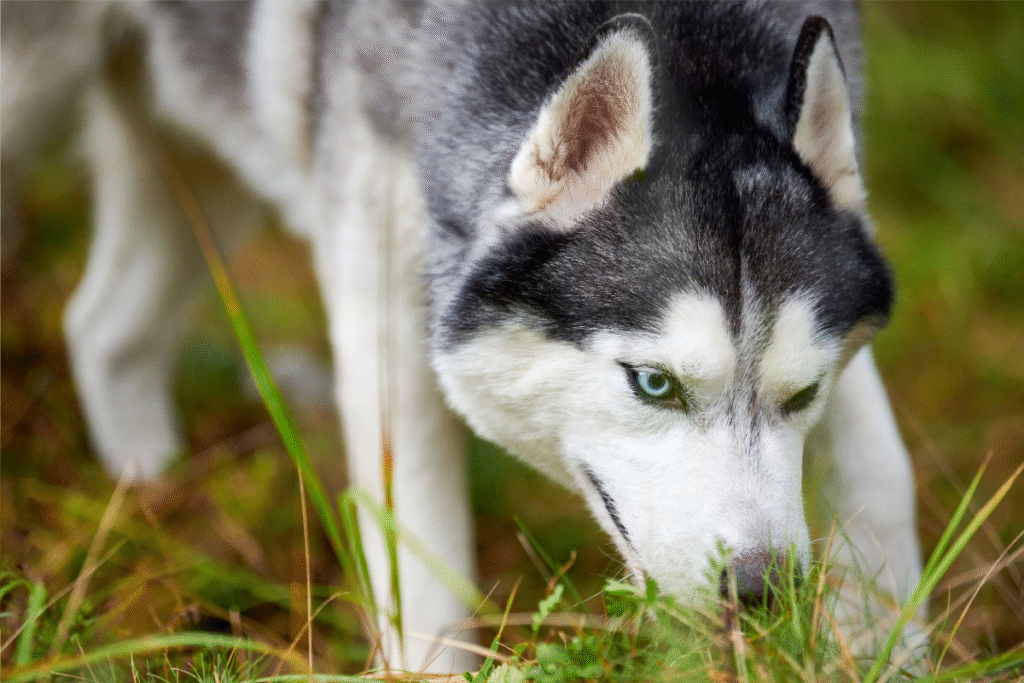
Generally, dogs eating their own poop is harmless. Don’t get us wrong—it’s disgusting. But it’s not unsafe, according to AKC, which is a significant concern for many pet owners struggling with their dog snacking on feces.
There is, however, some reason for concern when your pup is eating the poop of other dogs or animals. Some pups, for example, like horse manure or goose droppings. AKC warns that consuming other animals’ stool can expose your furry friend to unknown parasites, bacteria, viruses, and toxins. Consult your veterinarian if your pup eats foreign feces and exhibits symptoms such as lethargy, vomiting, or diarrhea.
How to discourage “stool sampling”
Most pet owners consider it bad news that their dog finds eating poop appealing. The good news is that it’s a normal behavior and will likely fade in puppies. It’s crucial to first investigate any potential underlying causes. Does your dog have enough healthy food, any medical conditions, or stress? Addressing these potential issues of nutritional deficiencies and malabsorption is important.
- Vitamin and or enzyme supplementation can help address nutrient deficiencies and malabsorption, particularly if your dog is not eating a complete and balanced dog food approved by the American Association of Feed Control Officials. A multivitamin or single-ingredient vitamin or mineral supplement may provide dogs with the nutritional value they’re missing from their food (which is uncommon). Specific enzyme products can help a dog that has a problem with natural pancreatic enzyme secretion (known as Exocrine Pancreatic Insufficiency) and can support healthy digestion. Many over-the-counter “enzymes” are not proven to help that much but are not harmful to try. Many dog owners are desperate, and these products claim to help with nutrient absorption so that your pup isn’t tempted to seek out additional food sources (poop).
As always, consult your veterinarian about potential underlying medical conditions that can lead your pup to eat feces. Pet parents should also seek professional guidance before supplementing their dog’s diet.
As with most other behavioral problems in dogs, early intervention is crucial for helping to reduce the possibility that the behavior will become a long-term practice. If your dog seems to have picked up a nasty habit, there are some things you can do to help them ditch the poo eating:
- Keep it clean – Because dogs may turn to eating poop as a way to clean their living space, you can eliminate the need for them to worry about tidying in the first place. Keep your pup’s area, including the backyard, clean by picking up after your pets as soon as possible so there isn’t any poop for them to eat.
- Restrict access – Avoid places on your daily dog walk route that are notorious for left-behind stools. If your canine companion likes to visit your cat’s litterbox for a snack, keep it out of reach, or use a covered litterbox. This goes hand-in-hand with supervising your dog to make sure they don’t eat anything they shouldn’t. Pay attention to and keep your furry friend on a leash during walks and monitor them closely during any backyard time.
- Training – Even when they don’t seem like it, dogs are smart creatures, and most are eager to please. Training your pup to respond to “leave it” and or “come” commands can be tremendously helpful in stopping poop-eating behavior. Dog parents can train their furry friends to come to them for a tasty treat or other reward as soon as they go potty. This gives you the opportunity to clean up before your dog has a chance to do so
- Make it yucky – Taste-aversion products and poop-eating deterrents can be added to food and treats to make snacking on stools less appealing. AKC recommends looking for products that contain monosodium glutamate, chamomile, yucca, garlic, or parsley. There are many products on the market formulated specifically to discourage your pup from eating poop. The efficacy of many of these products is not really tested, but may be worth a try. Note: if your dog eats another dog’s feces, you will need to feed these deterrents to the other dog!
There are also DIY options that you can purchase at any grocery store. While canned pumpkin puree tastes great the first time, it makes dog poop taste particularly bad. You can try adding a few tablespoons of pure pumpkin to your dog’s food to discourage feces eating. Some pet parents suggest that the same can be done with pineapple and meat tenderizers. Even better, unseasoned meat tenderizer powders are tasteless, so your pup probably won’t even notice! One mouthful of a bad-tasting stool and your dog will surely learn its lesson.
Helping your dog stop eating poop
As unpleasant as it is, stool eating is often driven by instinct, diet, stress, or even social learning from other dogs. The good news is that it’s usually harmless when it involves their own waste and can often be managed with better nutrition, routine, and training. For some dogs, the habit fades as they grow, while others may need a bit more guidance to stop. With patience, consistency, and help from your veterinarian when needed, you can address the root cause and help your pup leave this gross behavior behind.
Any health or medical information in ElleVet blogs is from a variety of public and reputable sources. This information is intended as an education resource only and is not a substitute for expert professional care.