Reviewed by: Dr. David Tittle, BVetMed, CertVA, GPCert (WVA&CPM), MRCVS
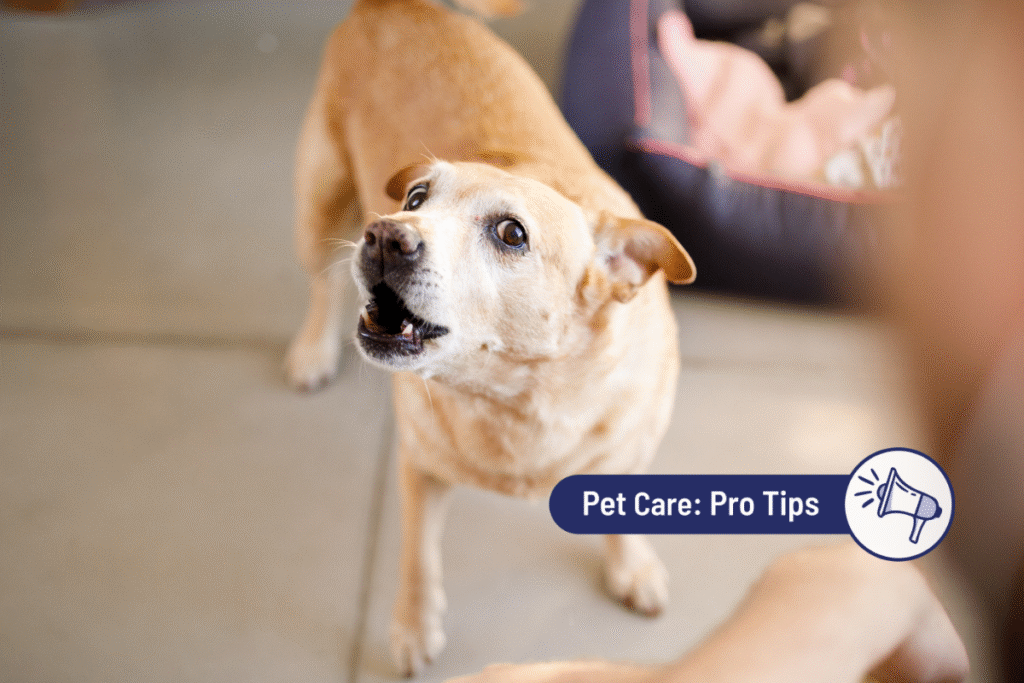
It’s fun to see your dog happy, tail wagging, ears perked, and energy to spare. But when that excitement spirals into chaos, things can quickly become overwhelming. Jumping on guests, nonstop barking, or wild zoomies across the living room? If you’re wondering how to calm an overly excited dog, you wouldn’t be the first.
Excitability is common, especially in younger dogs or certain high-energy breeds. While a little pep is totally normal, helping your dog learn to regulate that energy is key for their comfort and yours. So, what causes those big outbursts, and how can you support calmer behavior over time?
Why Do Some Dogs Get Overly Excited?
Some dogs are just wired with more enthusiasm than others. Age, breed, and their lived experience can all play a role in these behaviors. Puppies, adolescent dogs, and working breeds like Border Collies or Labradors often have more energy to burn. Other times, some senior dogs may become overstimulated by certain triggers.
Excitement can come from joy, nervousness, curiosity, or a combination of all three. A ringing doorbell, the jingle of car keys, or the scent of another dog can flood their senses. Sometimes, all that stimulation builds up, and your dog’s reaction becomes exaggerated.
Emotional Regulation Helps Dogs Stay Balanced
It’s one thing to help your dog calm down in the moment, but teaching them to manage their own arousal is a game-changer. Emotional self-regulation, sometimes referred to as behavioral inhibition, is a dog’s ability to control impulses like excitement, frustration, or overstimulation without relying solely on your intervention.
While that might sound ambitious, it’s actually a skill that many dogs can develop with time, consistency, and supportive training. In fact, self-regulation taps into both their cognitive flexibility and their ability to adapt in changing environments.
Dogs that can settle themselves tend to be more resilient and confident. They’re better equipped to regulate their responses to stimulation, recover more quickly from emotional spikes, and remain composed in unfamiliar or high-energy situations.
Building these skills starts with simple moments. Waiting patiently for meals, pausing before going through a doorway, or transitioning from high-energy play to quiet rest. These tasks tap into their ability to switch from a high arousal state to a calm focus, an essential part of emotional balance. Over time, and with the help of classical and operant conditioning techniques, your dog’s internal “pause button” becomes easier to access.
In the long run, supporting self-soothing behaviors and consistent regulation helps your dog feel more secure and in control. And that sense of emotional balance is what makes for a calmer, more content companion.
Common Triggers for Excitement
Before you can help your dog settle down, it’s important to understand what’s getting them so worked up in the first place. Many dogs can get stimulated by things that seem completely ordinary to us.
New people, other animals, loud noises, or even changes in daily routine can all trigger your dog to become overly excited. And while playtime is meant to be fun, it can sometimes push excitable dogs past their limit if they haven’t learned how to settle themselves. Recognizing these triggers makes it easier to support calmer behavior before things escalate.
Once you gain a sense of what is causing the excitement in your dog’s behavior, you can start building habits and routines that encourage calmer reactions. This could include new training techniques, adding more predictability to their day, or gradually exposing them to triggers in a controlled setting.
How to Calm an Excited Dog in the Moment
When your dog is wound up, your first instinct might be to raise your voice or try to grab their attention. This type of reaction usually adds more fuel to the fire.
Instead, maintain a neutral body language and a calm voice. Try turning away or becoming still. Pulling back your attention can be a subtle way to show your dog it’s time to calm down. If they’ve been trained to respond to cues like “sit” or “place,” now is the time to use them. Redirecting their attention toward a known behavior can interrupt the excitement loop.
Avoid roughhousing or high-pitched encouragement during these moments. Even though it might seem like fun, it can teach your dog that excitement equals reward.
Long-Term Strategies to Support Calm Behavior
Helping your dog stay calm isn’t just about managing the chaos when it happens. It’s about creating a foundation that helps prevent it in the first place. With a little planning and consistency, you can build habits that encourage your dog to be more grounded, even when life gets exciting.
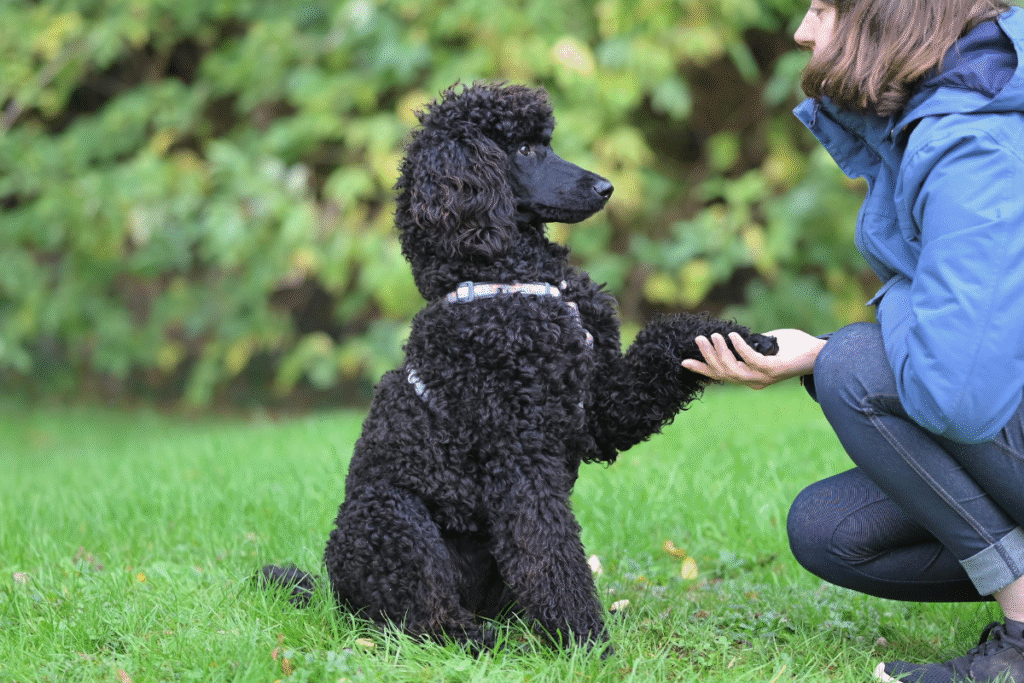
Impulse control games are a great place to start. Teaching commands like “leave it,” “wait,” or “settle” gives your dog the tools to pause and think, rather than reacting impulsively. These aren’t just tricks; they’re part of a larger behavior modification process rooted in positive reinforcement. Practicing these skills can improve your dog’s behavioral inhibition, allowing them to self-regulate more effectively in stimulating environments.
Predictability can also be incredibly helpful. Dogs thrive when they know what to expect and consistent routines help support emotional stability by reducing spikes in cortisol, the hormone associated with stress. Try to keep meals, walks, and rest times consistent from day to day. Even small routines like short morning walks can give your dog a greater sense of security.
If greetings tend to be a source of chaos, counterconditioning can help shift your dog’s reaction. For example, if your dog jumps on guests, you can teach them that staying on a mat earns them attention, rewiring their association with that trigger. Begin with short, structured practice sessions and gradually build up. Over time, your dog will learn that calm behavior is what gets them what they want.
It takes time, but consistency really does pay off. With a little patience and repetition, calmer reactions can start to feel like second nature.
Balancing Physical Activity and Mental Focus
Have you ever heard the expression, “A tired dog is a good dog?”
That saying is often true, but not all energy needs to be burned off with endless games of fetch or marathon walks. In fact, too much physical activity can sometimes overstimulate your dog, rather than helping them wind down.
A better question to ask might be, how much exercise does a dog need? The answer depends on your dog’s age, breed, and energy level, but physical exercise alone isn’t always enough. For many dogs, combining physical movement with mental enrichment is the real secret to calm behavior.
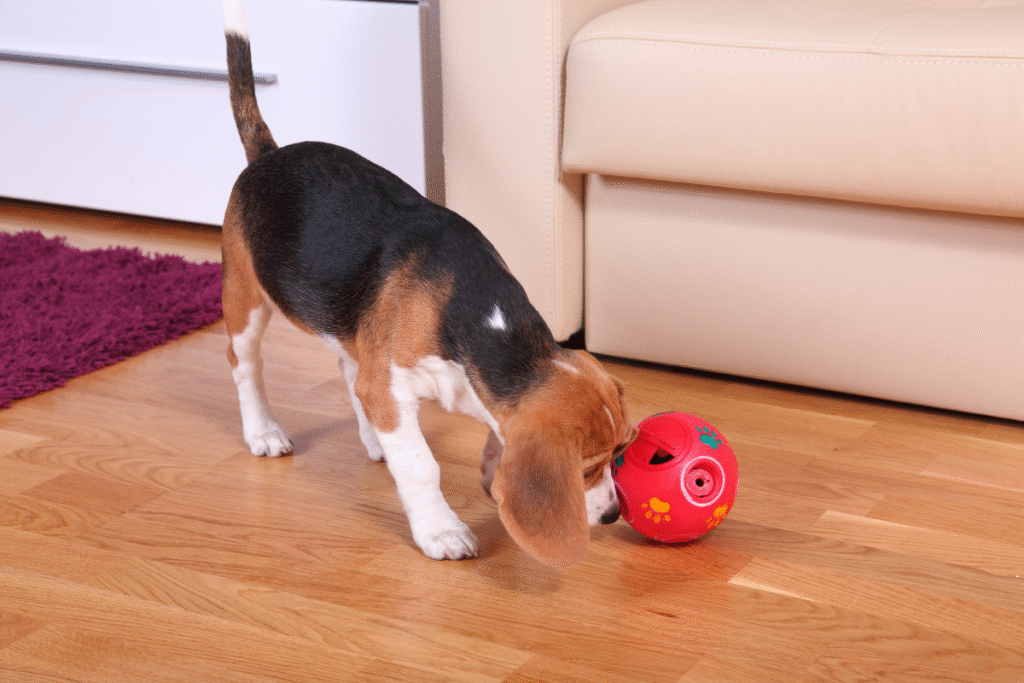
Try mixing in activities like puzzle toys, scent work (hide treats for them to find), or short training sessions. These mentally engaging tasks help work your dog’s brain, satisfy natural instincts, and leave them feeling more balanced overall.
Mental stimulation helps take the edge off, giving your dog a way to settle down and stay focused without bouncing off the walls.
Helpful Tools to Support Calmer Behavior
When your dog’s energy feels like a runaway train, the right calming tools can make all the difference. Training and routine go a long way in helping your dog stay calm, but sometimes a few extra tools can make things easier, especially in unfamiliar situations or high-stimulation environments.
Crate training is one helpful strategy for high-energy dogs. Crates should never be used as punishment, but rather as a calm, designated space for rest. When your dog associates their crate with comfort, quiet, and predictable downtime, it can become a go-to spot for rest and decompression. Soft bedding, low lighting, and a covered setup can help create an environment that minimizes outside stimulation and supports relaxation.
Long-lasting chews or lick mats can serve as more than just a distraction by providing mental stimulation that has a physiological calming effect. Both licking and chewing activate the parasympathetic nervous system, which signals your dog’s body to relax. Licking also encourages endorphin release, helping to regulate your dog’s mood and promote a sense of contentment. These self-soothing behaviors offer a healthy outlet for pent-up energy and emotional tension, especially when your dog needs to reset.
Some dogs may also benefit from calming support supplements. Ingredients like L-theanine and tryptophan are commonly used to promote emotional balance. You might also explore veterinarian-trusted CBD dog chews as part of a broader calming support routine. If you’re considering adding supplements to your dog’s daily routine, it’s always a good idea to talk with your veterinarian to ensure they’re a good fit for your dog’s needs.
Ultimately, every dog is different. What works well for one pup might not work for another. But with a little trial and error, you can find the calming tools that best fit your dog’s personality and lifestyle.
When to Ask for Help
If your dog’s excitement is starting to feel unmanageable or leading to unsafe behaviors (like bolting through doors or jumping on people), it might be time to call in a pro.
Certified dog trainers, especially those specializing in positive reinforcement and canine behavior, can provide personalized guidance. Your vet can also rule out any underlying causes that might be contributing to your dog’s restlessness.
There’s no shame in needing a little extra help. Many dogs (and their people) benefit from outside support.
Helping Your Dog Find Their Calm
Every dog has their moments, but constant overexcitement can make everyday life more stressful for both of you. The good news? With patience, structure, and a few go-to calming strategies, your dog can learn to handle the world without going into full zoomie mode every time the doorbell rings.
Start with small shifts. Clear routines, gentle redirection, and activities that engage your dog’s body and mind. Support from your vet or trainer can also go a long way.
A calm dog isn’t just easier on pet parents. But they, too, will feel relaxed, happy, and confident when they are more in tune.
Any health or medical information in ElleVet blogs is from a variety of public and reputable sources. This information is intended as an educational resource only and is not a substitute for expert professional care.