Reviewed by: Dr. David Tittle, BVetMed, CertVA, GPCert (WVA&CPM), MRCVS
Has your dog been itching non-stop or shaking their head all the time? If you’ve noticed your dog scratching excessively or suffering from hot spots or ear infections that keep coming back, it might be more than just seasonal irritation or a passing phase. Believe it or not, the chicken in their bowl could be the problem.
Yes, chicken! Chicken is one of the most widely used ingredients in dog food, and it is also one of the most common triggers for food allergies in dogs. Let’s walk through what a chicken allergy looks like, how to know if your dog has one, and what you can do about it (without turning mealtime into a guessing game).
What Causes Chicken Allergies in Dogs?
A food allergy happens when your dog’s immune system mistakes a harmless ingredient for something dangerous. Chicken is a leading dietary cause of allergic reactions in dogs who’ve had consistent exposure to it over time. Eventually, their body starts flagging it as an invader, setting off an immune response every time they eat it. The result? Discomfort, inflammation, and a cascade of challenges that can make life miserable for your pup.
Most food allergies in dogs develop after repeated exposure. It’s not that chicken is inherently bad for your dog; it’s just very common in commercial dog food. Repeated exposure to any potential allergen increases the chances that a dog’s immune system will overreact or develop an allergy over time.
Chicken doesn’t just show up in obvious places like kibble. Chicken protein is used in dog treats, flavored medications, broths, and even some supplements, making it trickier than you’d think to avoid.
Is Your Dog Trying to Tell You Something?
Chicken allergies can show up in all kinds of ways, and the signs aren’t always obvious. Some dogs live with mild symptoms for a long time before their pet parent realizes food might be the cause.
Here’s what to watch for if you’re starting to suspect a food allergy:
Skin issues: Persistent itching, redness, or inflammation, often leading to scratching or licking.
Ear problems: Frequent infections or discomfort, often shown through head shaking or ear scratching.
Digestive changes: Vomiting, diarrhea, or irregular bowel movements.
Eye irritation: Red, watery, or itchy eyes.
Paw licking or chewing: Frequent licking or biting at the paws.
Low energy: Fatigue or seeming lethargic, especially after eating.
These signs can overlap with other issues like environmental allergies or even behavioral habits. Keeping track of any patterns and bringing your concerns to your veterinarian is the best way to start narrowing down the cause of your dog’s discomfort.
How Vets Get to the Bottom of It
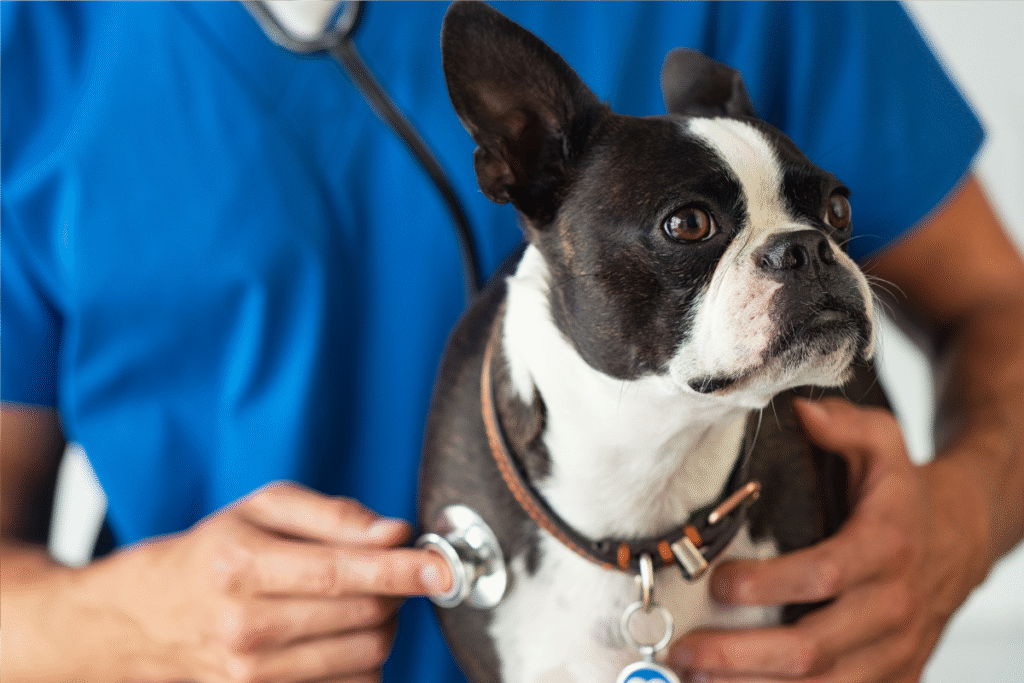
Most of the time, food allergens are snuffed out with a process called an elimination diet. An elimination diet is where you remove potential triggers from your dog’s meals to see if their issues improve.
You begin the process by switching your dog to a completely new protein and carbohydrate source, something they haven’t eaten before. This might be a hydrolyzed protein diet, where the proteins are broken down into smaller parts that are less likely to cause a reaction. Or you might try a novel protein, which you know your dog is unlikely to have encountered before, like rabbit or duck.
Then, for the next 8 to 12 weeks, that limited diet is all your dog eats. That means no treats, no flavored medications, and definitely no sharing snacks from your plate. Even a small bite of an unapproved ingredient can compromise the accuracy of the elimination trial. It might feel strict, but this reset gives your dog’s system a chance to calm down, so you can clearly see whether the change is making a difference. Consistency is key here. If you have questions, your vet can help guide you and help you keep your pup happy and well-fed along the way.
If your dog’s signs start to improve during the trial, it’s a strong indicator that a food allergy may be the cause. From there, your vet might suggest reintroducing ingredients one at a time to figure out which one is causing the reaction. If symptoms return when chicken is added back in, there’s your answer!
What If My Dog’s Issues Don’t Improve?
If your dog’s issues don’t improve after the elimination diet, it could mean that food isn’t the only factor. Skin irritation, rashes, and hotspots can be caused by a range of things, including environmental allergens, parasites, or even stress.
This is where your vet’s expertise is especially important. They may recommend additional testing, lifestyle adjustments, or other forms of support to help your dog feel better.
Life After Chicken
Let’s say you’ve confirmed that your dog can’t tolerate chicken. What now?
The good news is that there are plenty of chicken-free dog food options available. Depending on your dog’s needs, you might explore alternatives like lamb, salmon, whitefish, duck, or novel proteins like rabbit, venison, or kangaroo. Some dogs with chicken sensitivities can tolerate turkey without any issues, while others may react to all types of poultry. That’s why it’s important to check with your veterinarian before including turkey in your dog’s diet.
Not every alternative protein works for every dog, so it may take a little trial and error to find the right fit. What matters most is finding a protein your dog feels good on and keeping their diet consistent from that point forward.
Think It’s Chicken-Free? Are You Sure?
Reading food labels becomes an essential skill when you’re managing a food allergy. Chicken might not be listed as the first ingredient, but it can still sneak in under less obvious names like “poultry by-product meal,” “natural flavor,” or “chicken fat.” Make sure to read the full ingredient list and not just the front of the package.
When choosing a brand of dog food, look for a limited-ingredient formula that keeps things simple. You want clearly named proteins, like salmon or lamb, instead of vague terms like “meat meal” or “animal by-products.” Steer clear of poultry broths and flavorings, too, since those can still contain chicken-derived ingredients.
Understanding your dog’s nutritional needs can help you choose a food that’s not only allergy-friendly but also balanced and complete. You may also want to do a little research into the available pet food brands. Look for companies that are transparent about where their ingredients come from and how their food is made. When in doubt, bring a few options to your veterinarian to get their opinion.
Avoiding the obvious is only part of the challenge. For dogs with food sensitivities, even small amounts of an allergen can cause a reaction. Once you find a food that works, keep it consistent. That includes everything your dog eats, from treats and chews to supplements. Stick to a shortlist of trusted options and always check the ingredients before giving them something new.
What Else Can Help Your Dog Feel Better?
Managing a chicken allergy doesn’t always end with changing food. For many dogs, even after removing the allergen, some signs like skin irritation, itching, or general restlessness can linger. That’s where extra support can make a real difference in helping your dog feel more comfortable.
There are a few ways to do this. Regular grooming, for example, can help remove allergens from your dog’s skin and coat. A consistent bathing routine with a gentle, dog-friendly shampoo may help soothe irritated skin. And adding omega-3 fatty acids or other vet-recommended supplements to your dog’s routine may support skin health and immune balance.
Let Your Vet Lead the Way
We know it can feel overwhelming to read every ingredient list and second-guess every scratch or loose stool. But the good news is you don’t have to figure it out alone.
Veterinarians have the tools and experience to help you sort through symptoms, recommend hypoallergenic foods, and make sure your dog’s diet stays balanced while you get to the root of the issue. If you’re just starting this process, take a look at our guide to food sensitivities in dogs for more practical tips and insights.
You’ve Got This
Chicken allergies are more common in dogs than people often realize, but with the right approach, they’re totally manageable.
From identifying the signs to picking the right food, it takes time and a little trial and error. But the payoff? A more comfortable, energetic, and happier dog. That makes it all worth it.
Stick with it, keep your vet in the loop, and don’t be afraid to ask questions. You’re your dog’s best advocate. They’re lucky to have you!
Any health or medical information in ElleVet blogs is from a variety of public and reputable sources. This information is intended as an educational resource only and is not a substitute for expert professional care.